From Cannes to Lagos, a new generation of African filmmakers commands global attention. Yet their creative choices reveal an industry still grappling with its relationship to Western narrative frameworks.
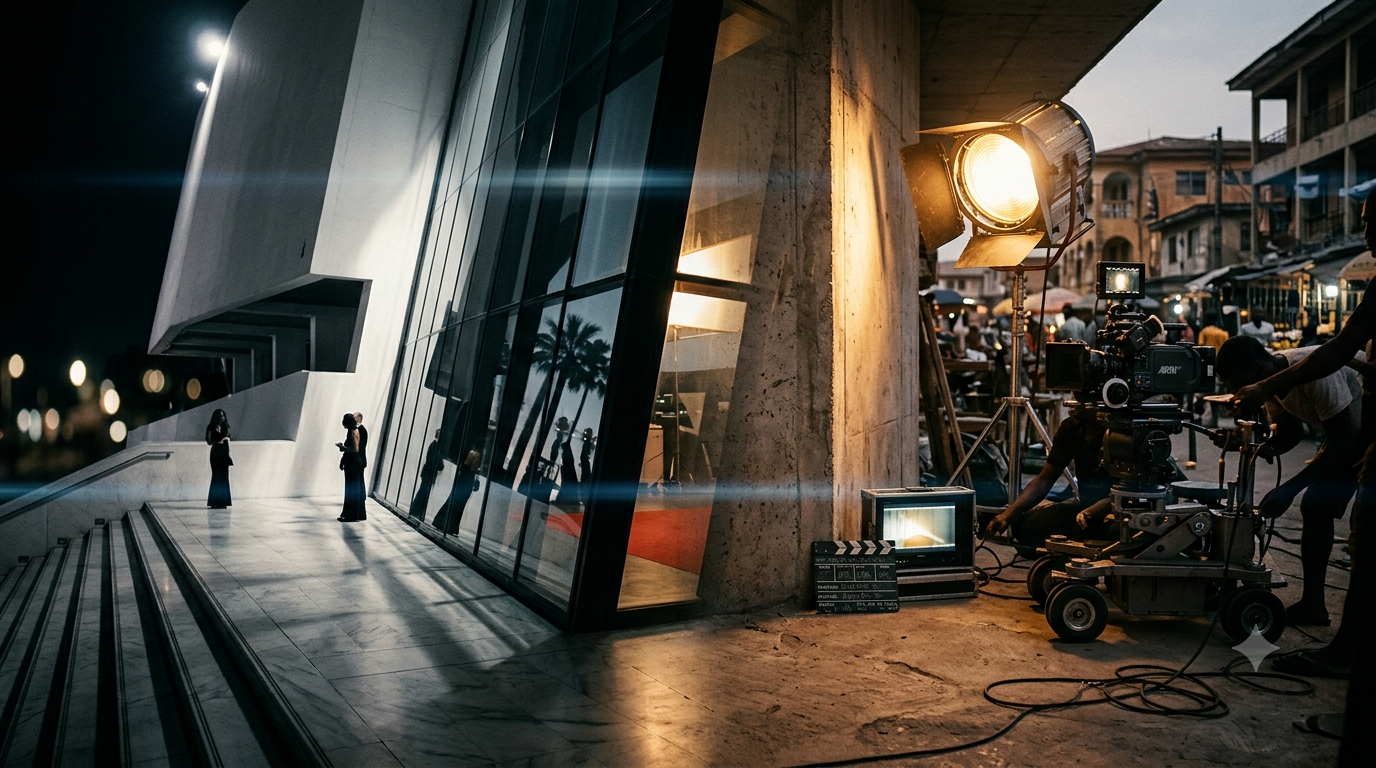
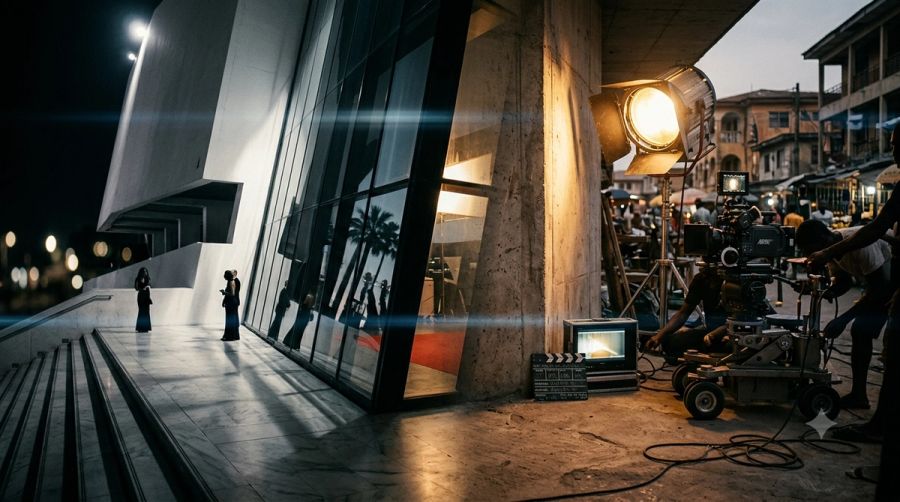
The most revealing moment at this year's Cannes Film Festival wasn't a standing ovation or a controversial premiere. It was the uncomfortable silence that followed Arie and Chuko Esiri's 'Clarissa,' a Nigerian reimagining of Virginia Woolf's modernist classic. Here were two accomplished African directors, armed with international funding and world-class production values, choosing to anchor their Lagos-set story in the psychological architecture of a 20th-century English novelist. The film's very existence poses a question that reverberates far beyond the Croisette: when will African cinema trust that its own stories are profound enough to stand without European literary scaffolding?
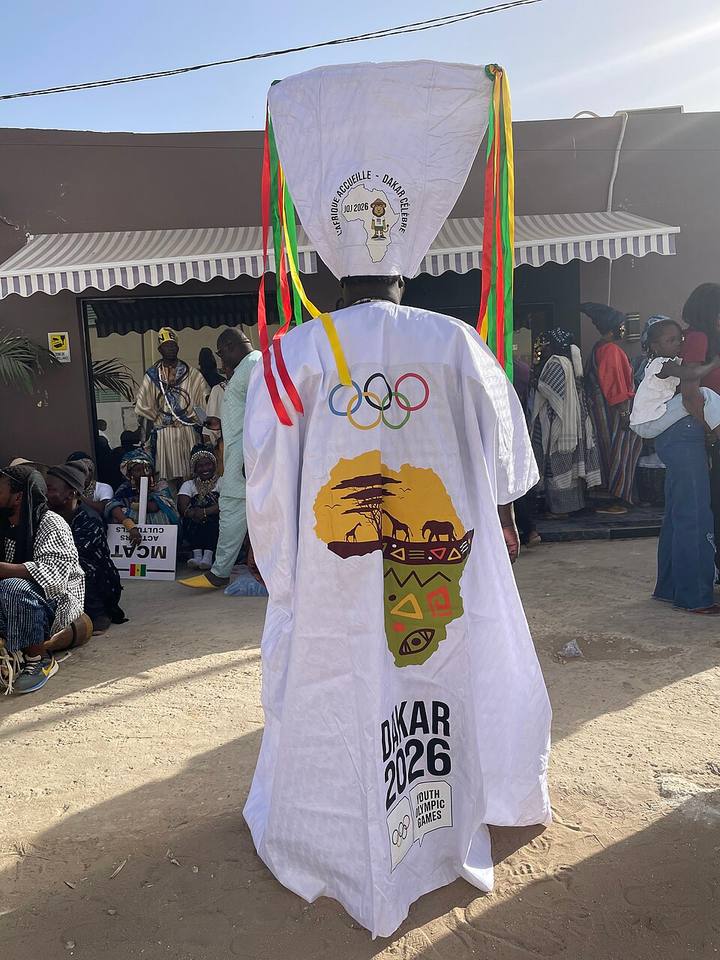
This creative dependency becomes even more perplexing when contrasted with the raw cultural confidence emanating from other corners of African storytelling. While the Esiri brothers reached for Woolf's modernist framework, Nollywood productions like 'Iwe Ala' are mining Nigeria's own Ojude Oba traditions for compelling cinema that requires no Western validation. The film proves that Ojude Oba's visual magnificence isn't just Instagram fodder but fertile ground for narratives that speak directly to African audiences hungry for stories rooted in their own soil.
The New Generation's Contradictory Impulses
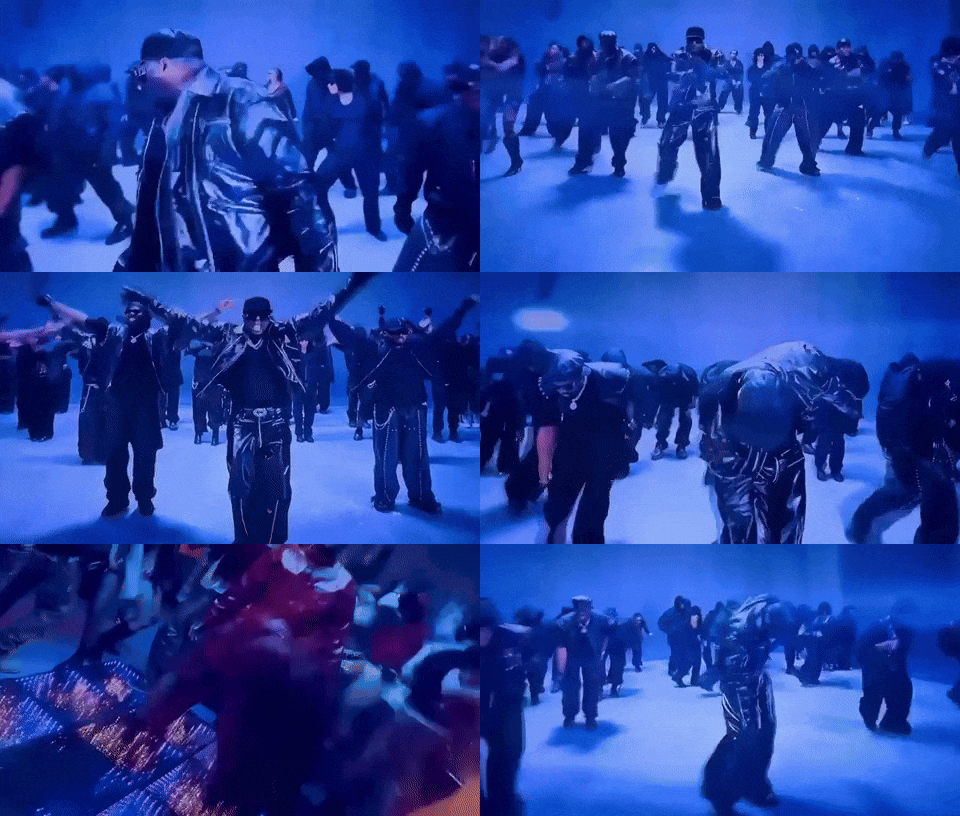
Perhaps nowhere is this tension more visible than in the work of Grammy-winning director Meji Alabi, whose documentary exploring his grandfather's role in the Biafran war represents both the promise and the paradox of contemporary African filmmaking. Alabi's project embodies a new generation of African creatives reclaiming their own narratives with Grammy-winning excellence and international platform reach. Yet the filmmaker's exploration of inherited trauma still operates within familiar frameworks of African stories told through conflict and historical pain, albeit with unprecedented production value and global distribution.
This contradiction extends beyond individual projects to entire platforms. Marie-Clementine Dusabejambo's 'Ben'Imana,' which interrogates unprocessed pain and inherited trauma across three generations in post-genocide Rwanda, demonstrates the sophisticated storytelling emerging from the continent. The film's exploration of what lies beneath the platitudes of moving on and healing represents exactly the kind of complex narrative African cinema needs more of. Yet even here, the focus on trauma and recovery suggests we're still operating within predictable thematic territories that international audiences expect from African stories.
Beyond the Festival Circuit
Keep reading this Original
Sign in or sign up to finish this story, get your personalised feed, and unlock every Strata-AF™ Original.
SIGN IN / SIGN UP