Pope Leo XIV has consolidated a remarkably activist first half year, shaping global discourse on AI governance and active conflicts in ways that make the Vatican a consequential foreign-policy actor again.
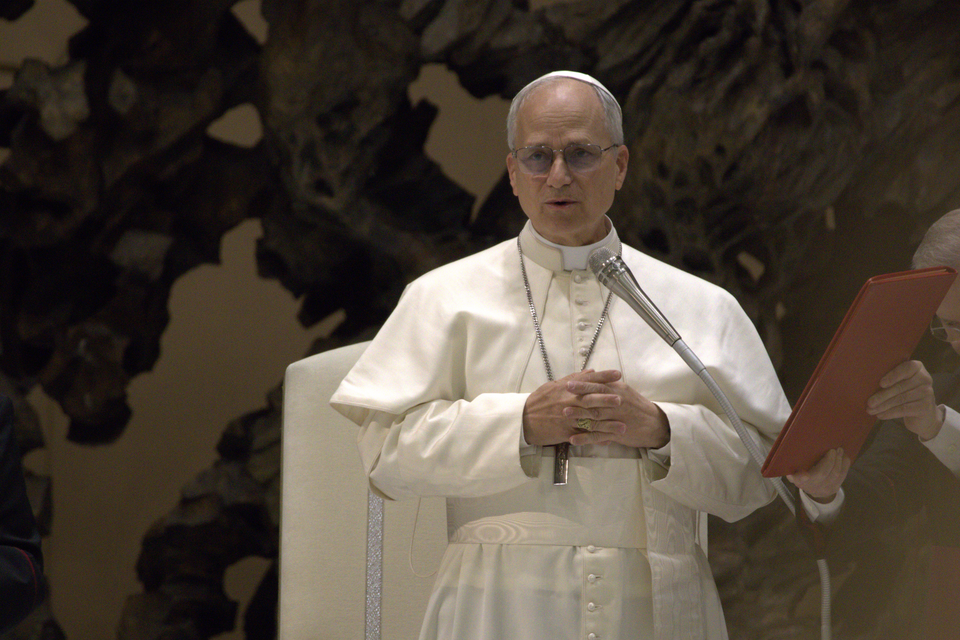
Pope Leo XIV has built a strikingly activist first half year, shaping global debate on AI governance and active conflicts well beyond church affairs. That matters concretely for a country like DR Congo, where the Catholic hierarchy has long acted as a de facto opposition and election watchdog when domestic institutions fall short. A more assertive Vatican changes the weight behind that voice, not just its volume.
Pope Leo XIV concluded a dense opening chapter of his pontificate before departing for his summer recess, having intervened vocally on artificial intelligence ethics, ongoing wars, and internal Vatican governance disputes. His rapid accumulation of moral authority capital distinguishes him from his immediate predecessor's more deliberate pace.
For Africa, home to the world's fastest growing Catholic population and a continent navigating both AI adoption and multiple active conflicts, a papacy willing to frame these issues in moral rather than purely geopolitical terms creates diplomatic openings. African bishops have historically leveraged papal attention to amplify positions on debt relief and conflict mediation that would otherwise go unheard in Washington or Brussels.
Track how African episcopal conferences engage Leo XIV's AI framing as continent-specific debates on algorithmic governance, digital identity, and fintech regulation intensify; the Vatican's imprimatur could provide unusual soft power leverage for African negotiating positions in global tech governance forums.
READ THE SOURCE REPORT FROM AFRICANEWS →Enjoying Strata-AF™?
Sign in or sign up for a personalised feed and unlock Strata-AF™ Originals.