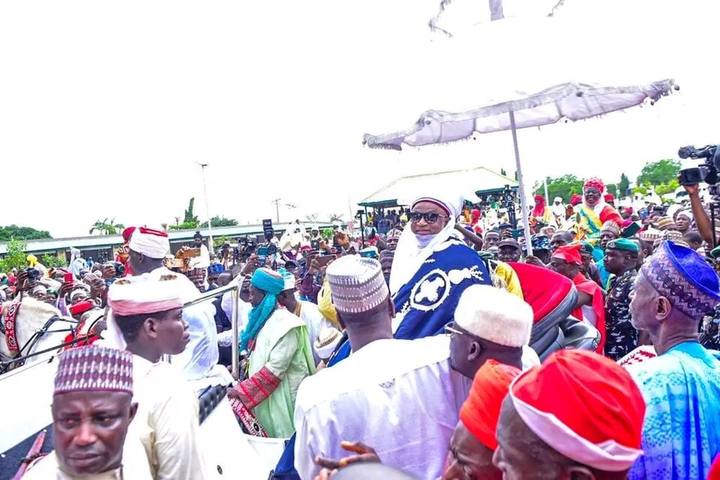
Thirty-four matches unbeaten is not a fairytale. It is a system, and Morocco's World Cup run demands to be read as the dividend of a decade of federation-level investment rather than tournament luck.
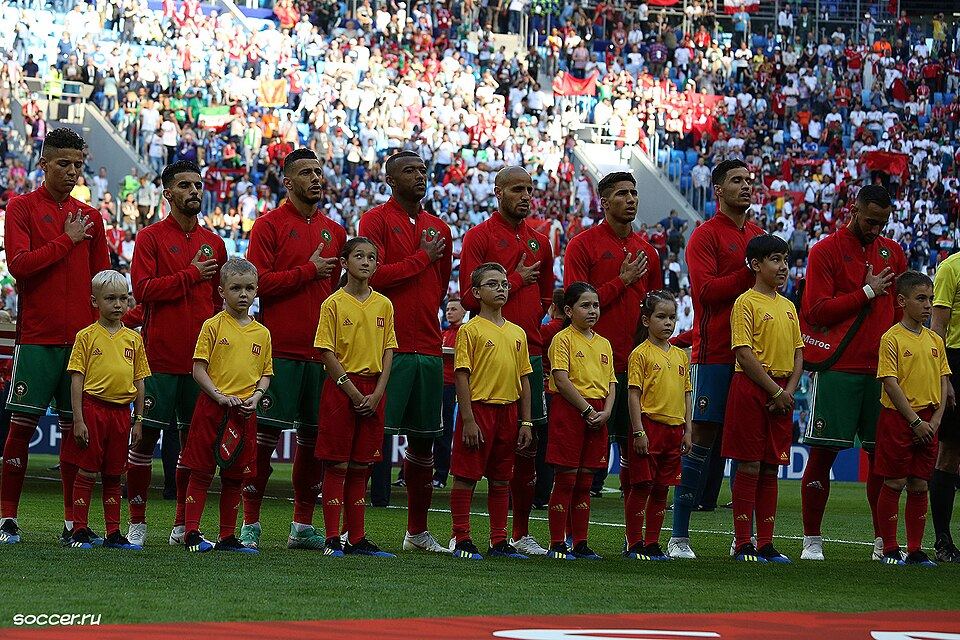
Thirty-four matches unbeaten is not the kind of run a team backs into, and reading Morocco's World Cup as lucky misses the real story: this is the payoff of roughly a decade of Rabat treating football as a funded national project rather than a federation side hustle. The academies, the diaspora scouting network, and the coaching continuity all predate this tournament by years. Every CAF federation asking how Morocco got here already knows the answer, they are just not funding it at the same level or on the same timeline.
Morocco's unbeaten run of 34 games entering the quarter-finals reflects deliberate choices made years before this tournament: the construction of the Mohammed VI Football Academy, systematic scouting of Moroccan-heritage players in France, Belgium, and the Netherlands, and the appointment of a tactically disciplined domestic coach in Regragui.
For the continent this matters because it offers a replicable architecture, not every federation can afford to build a Mohammed VI Academy, but the principle of long-horizon planning over short-term foreign-coach cycles is universally applicable from Dakar to Dar es Salaam.
Watch whether the Atlas Lions' run accelerates Morocco's 2030 World Cup co-hosting bid momentum and whether CAF uses the moment to push FIFA for an expanded African allocation in future tournaments.
READ THE SOURCE REPORT FROM BBC NEWS AFRICA →Enjoying Strata-AF™?
Sign in or sign up for a personalised feed and unlock Strata-AF™ Originals.