Mutharika's 'economic liberation' framing at 62 years of independence is a familiar African rhetorical move but in Malawi's current fiscal emergency it risks sounding like aspiration management rather than a credible programme.
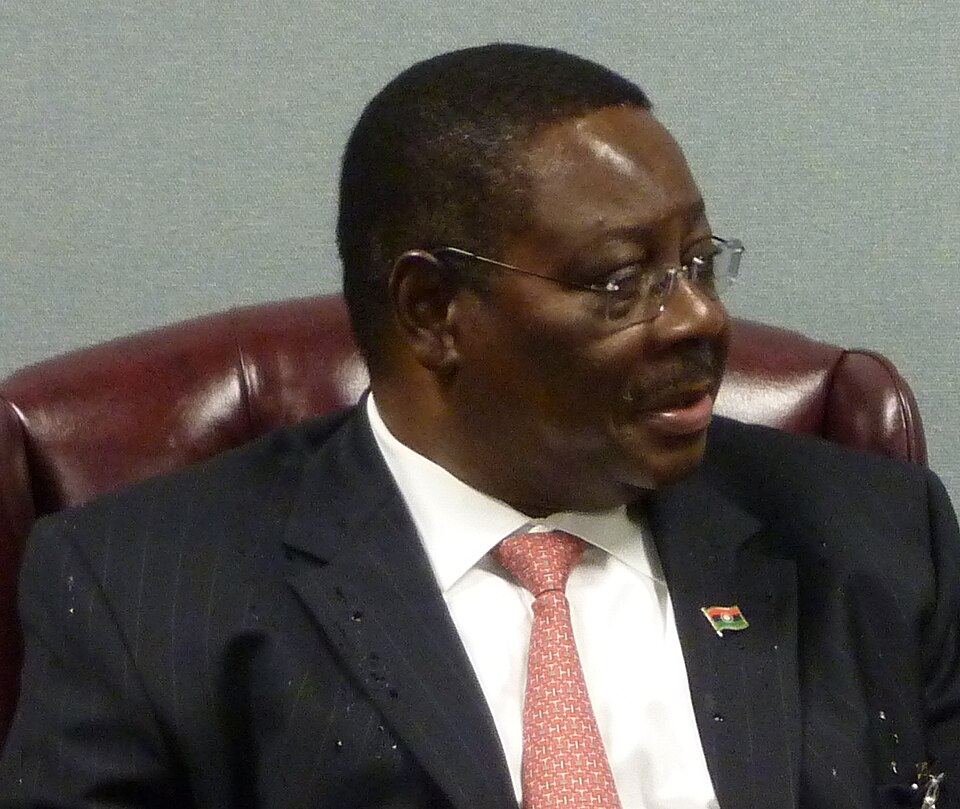
Mutharika's 'economic liberation' framing at 62 years of independence is a familiar move in African anniversary rhetoric. In Malawi's current fiscal emergency, though, it risks sounding like aspiration management rather than a programme with numbers attached. Lilongwe's households living through the currency crunch will judge this less on the speech than on next quarter's prices.
President Mutharika used Malawi's 62nd independence anniversary address to argue that the nation has achieved political sovereignty but remains economically colonised by aid dependency, unfavourable trade terms and shallow domestic capital markets.
The speech positioned economic self determination as the defining challenge of the next political era, invoking a pan African register with roots in Nkrumah and Nyerere.
The continental framing is legitimate and the diagnosis broadly accurate, but the credibility of the messenger matters enormously. Malawi's economy has contracted in real per-capita terms across multiple administrations, the kwacha has haemorrhage value, and the same week the speech was delivered the government doubled university fees as an emergency measure hardly the posture of a state building economic sovereignty. African independence anniversary rhetoric has a long tradition of soaring language unmoored from institutional delivery.
Watch whether the speech is followed by any concrete policy announcements, trade diversification targets, domestic revenue mobilisation reforms, or regional economic integration moves. That give 'economic liberation' operational content rather than leaving it as an electoral mood-setter.
READ THE SOURCE REPORT FROM ALLAFRICA LATEST →Enjoying Strata-AF™?
Sign in or sign up for a personalised feed and unlock Strata-AF™ Originals.