--:--LAGOS
CultureMusicFilmTechSportsPoliticsHealthFinanceReligionFashion
culture★ STRATA-AF™ ORIGINAL
Egypt Got Its Artifacts Back.

The FBI's return of smuggled Egyptian antiquities is a bilateral photo op, not a precedent. Without a binding multilateral repatriation mechanism, every deal Africa cuts reinforces a system designed to favour the powerful.
Egypt6 MIN
LISTEN TO STRATA-AF™ NOTE
Share
Egypt Got Its Artifacts Back.
IMAGE · RubaMorsi · CC BY-SA 4.0 · Wikimedia Commons

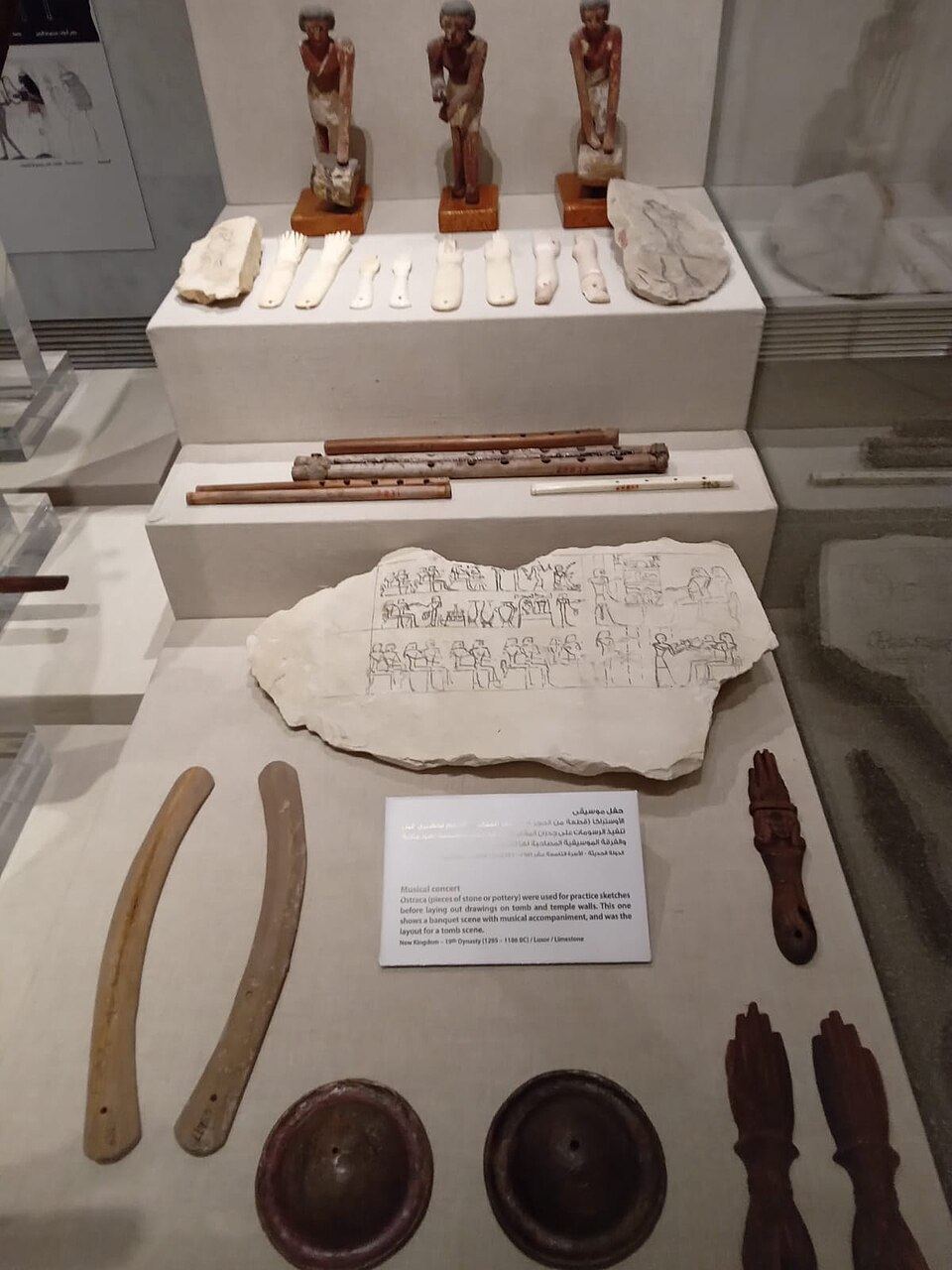
Dozens of smuggled Egyptian antiquities — spanning three distinct historical eras — landed back in Cairo last week after the FBI coordinated their return from the United States [3]. The ceremony was warm. The handshakes were photographed. And the implicit message from Washington was one of good faith restored.

It was not that.

What the repatriation actually confirmed is that Western institutional markets — auction houses, private collectors, university acquisition pipelines — spent decades absorbing stolen African and Middle Eastern heritage with enough procedural cover to call it legitimate commerce [3]. The FBI's involvement is not a reckoning. It is damage control after the market got caught.

Egypt is in a stronger position than most to extract wins from this system. It has diplomatic weight, a globally recognised heritage brand, and bilateral leverage with Washington that most African nations simply do not possess. Cairo can make phone calls that Bamako, Kinshasa, and Harare cannot. And that asymmetry is the real story here.

The continent has no binding multilateral framework for cultural repatriation. What exists instead is a patchwork of bilateral negotiations, UNESCO's 1970 Convention — which is non-binding in enforcement — and a growing stack of goodwill agreements that Western institutions honour when it suits their public relations calendar and quietly shelve when it does not. Every bilateral deal Egypt closes, however legitimate, sets a soft precedent: that repatriation is something you negotiate for, one-on-one, based on your geopolitical leverage, rather than something owed under international law [3].

This matters structurally. When a major institution — the Met, the British Museum, a German state collection — engages in a bilateral return, it chooses who to negotiate with, on what timeline, and under what framing. The nation with the stronger diplomatic hand dictates terms. Egypt has that hand in a way that Tanzania, Senegal, or Zimbabwe largely does not. So those nations watch Cairo's wins and recognise, correctly, that the framework being normalised is one where size and influence determine outcomes. That is not restitution. That is the same colonial logic in softer language.

STRATA-AF™

Keep reading this Original

Sign in or sign up to finish this story, get your personalised feed, and unlock every Strata-AF™ Original.

SIGN IN / SIGN UP
READ NEXT
The Sovereignty Trap: Why Africa's Cultural Ascendance Masks a Deeper Crisis of Agency
CULTURESTRATA-AF™ ORIGINAL
The Sovereignty Trap: Why Africa's Cultural Ascendance Masks a Deeper Crisis of Agency
Pan-African6 MINREAD →
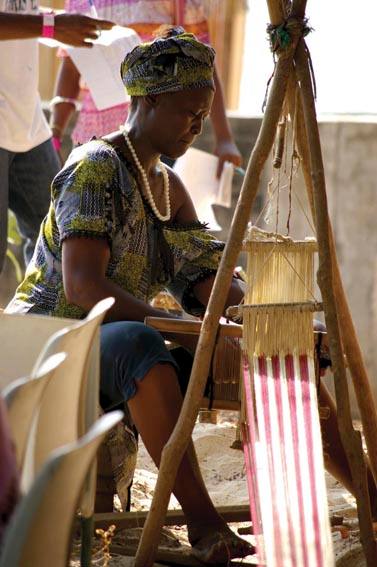
Sierra Leone's Weavers Are Building Export Value. Who Gets to Keep It?
CULTURESTRATA-AF™ ORIGINAL
Sierra Leone's Weavers Are Building Export Value. Who Gets to Keep It?
Pan-African2 MINREAD →
--:--LAGOS
STRATA-AF™
ISSUE 001FEED◎ SEARCHSUBSCRIBE
/shows/data/docs
culture★ STRATA-AF™ ORIGINAL
Egypt Got Its Artifacts Back.
IMAGE · RubaMorsi · CC BY-SA 4.0 · Wikimedia Commons
Egypt Got Its Artifacts Back.

The FBI's return of smuggled Egyptian antiquities is a bilateral photo op, not a precedent. Without a binding multilateral repatriation mechanism, every deal Africa cuts reinforces a system designed to favour the powerful.

Egypt6 MIN READ
LISTEN TO STRATA-AF™ NOTE
Share

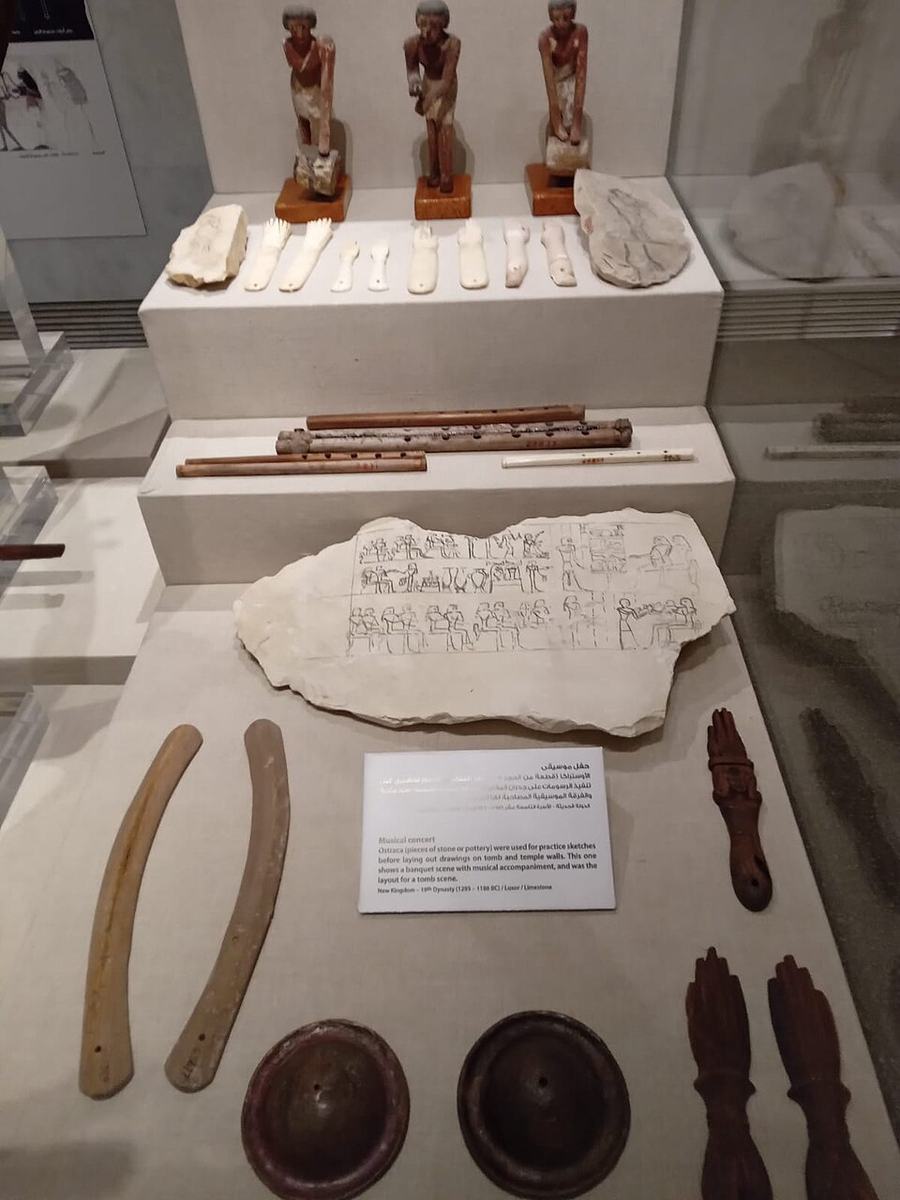
Dozens of smuggled Egyptian antiquities — spanning three distinct historical eras — landed back in Cairo last week after the FBI coordinated their return from the United States [3]. The ceremony was warm. The handshakes were photographed. And the implicit message from Washington was one of good faith restored.

It was not that.

What the repatriation actually confirmed is that Western institutional markets — auction houses, private collectors, university acquisition pipelines — spent decades absorbing stolen African and Middle Eastern heritage with enough procedural cover to call it legitimate commerce [3]. The FBI's involvement is not a reckoning. It is damage control after the market got caught.

Egypt is in a stronger position than most to extract wins from this system. It has diplomatic weight, a globally recognised heritage brand, and bilateral leverage with Washington that most African nations simply do not possess. Cairo can make phone calls that Bamako, Kinshasa, and Harare cannot. And that asymmetry is the real story here.

The continent has no binding multilateral framework for cultural repatriation. What exists instead is a patchwork of bilateral negotiations, UNESCO's 1970 Convention — which is non-binding in enforcement — and a growing stack of goodwill agreements that Western institutions honour when it suits their public relations calendar and quietly shelve when it does not. Every bilateral deal Egypt closes, however legitimate, sets a soft precedent: that repatriation is something you negotiate for, one-on-one, based on your geopolitical leverage, rather than something owed under international law [3].

This matters structurally. When a major institution — the Met, the British Museum, a German state collection — engages in a bilateral return, it chooses who to negotiate with, on what timeline, and under what framing. The nation with the stronger diplomatic hand dictates terms. Egypt has that hand in a way that Tanzania, Senegal, or Zimbabwe largely does not. So those nations watch Cairo's wins and recognise, correctly, that the framework being normalised is one where size and influence determine outcomes. That is not restitution. That is the same colonial logic in softer language.

STRATA-AF™

Keep reading this Original

Sign in or sign up to finish this story, get your personalised feed, and unlock every Strata-AF™ Original.

SIGN IN / SIGN UP
VERTICAL
culture
ORIGIN
Egypt
READ NEXT2 PIECES SELECTED BY OUR EDITORS
CULTURE
The Sovereignty Trap: Why Africa's Cultural Ascendance Masks a Deeper Crisis of Agency
From Davido's activism to Nairobi's protests, Lagos, Dakar, and Kigali's rising cultural reach is being undermined by continued dependence on external platforms, validation, and infrastructure.
Pan-African6 MINREAD →
CULTURE
Sierra Leone's Weavers Are Building Export Value. Who Gets to Keep It?
Krio cloth and country weaves are entering global fashion circuits, but without IP frameworks and formalised supply chains, Sierra Leone risks feeding a value chain it will never own repeating the extractive pattern that hollowed out the continent's commodity economies.
Pan-African2 MINREAD →
CULTURE · MUSIC · FILM · TECH · SPORT · POLITICS · HEALTH · FINANCE · RELIGION · FASHION · LAGOS · NAIROBI · JOBURG · ACCRA · DATA JOURNALISM · ORIGINAL REPORTING · THE ACTUAL VERSION ·CULTURE · MUSIC · FILM · TECH · SPORT · POLITICS · HEALTH · FINANCE · RELIGION · FASHION · LAGOS · NAIROBI · JOBURG · ACCRA · DATA JOURNALISM · ORIGINAL REPORTING · THE ACTUAL VERSION ·
Premium editorial for a continent that's done waiting to be covered.

Not the export-market version. Not the diaspora version. The actual version — written by the people who live there.

Verticals
CultureMusicFilmTechSportsPolitics
HUBS
Strata-AF OriginalsDataDocsNewsletterArchiveShows
Company
AboutMissionManifestoLegal
REACH
10VERTICALS
6CONTENT TYPES
5CITIES
1STANDARD
© 2026 STRATA-AF™ · STRATA PUBLISHING CO LTD · LAGOS · JOBURG · NAIROBI · ACCRAPRIVACYTERMSCORRECTIONSMASTHEAD
 
 
--:--LAGOS
CultureMusicFilmTechSportsPoliticsHealthFinanceReligionFashion
Highlights
Strata-AF
Editor's Pick
From the web
RELIGIONSTRATA-AF™STRATA-AF™ ORIGINAL
Niger State's Mosque Raids Expose a Response Gap
3 MINREAD →
HEALTHFROM THE WEB
Ebola Deaths in DRC Pass 2,000 at Day 100
A hundred days in, the DRC's Ebola outbreak has crossed 2,000 deaths, and the trajectory hasn't flattened.
DR Congo· The Guardian · 24 AUG
HEALTHFROM THE WEB
Unpaid Ebola Workers Strain DRC Outbreak Response
Health workers fighting the DRC's Ebola outbreak are reportedly going unpaid, even as officials describe the spread as exponential.
DR Congo· The Guardian · 24 AUG
RELIGIONFROM THE WEB
Niger State Still Can't Confirm Mosque Abduction Count
Four days after the mosque abductions, Niger State's government still can't say how many people were actually taken.
Nigeria1 MIN · AllAfrica · 24 AUG
RELIGIONFROM THE WEB
Villagers Describe Armed Raid During Niger Prayers
Witnesses in two Niger State villages describe an armed raid during Friday prayers, with police still confirming basic details days later.
Nigeria· DW · 24 AUG
CULTUREFROM THE WEB
Kenyan Social Entrepreneur Wins German Africa Prize
Wawira Njiru turned school-feeding logistics into a movement, and Germany just gave that work its biggest prize.
Kenya· DW · 24 AUG
SPORTSFROM THE WEB
Refugee Runner Amanal Petros Becomes European Champion
Amanal Petros ran from a war Germany didn't start and became one of its fastest citizens by choice, not birthright.
Ethiopia· DW · 24 AUG
CULTUREFROM THE WEB
Cameroon Marks 40 Years Since the Lake Nyos Gas Disaster
Four decades on, Lake Nyos still shapes how Cameroon's lake communities weigh the ground beneath them.
Cameroon· DW · 24 AUG
FINANCEFROM THE WEB
Congo-Brazzaville's Resource Wealth Still Skips Its People
Congo-Brazzaville sits on real mineral wealth, but the value keeps leaving before it reaches the people who live above it.
DR Congo· AllAfrica · 24 AUG
SPORTSFROM THE WEB
Egyptian Wrestler Loses Medal Over Mediterranean Games Assault
A silver medal became a disciplinary case the moment the match ended, not because of the result but the reaction to it.
Egypt· Egypt Independent · 24 AUG
See all stories

The actual version — written by the people who live there.

10VERTICALS
6TYPES
5CITIES
1STANDARD
AboutMissionManifestoLegalOriginalsSubscribeArchiveShowsContributorsJobs
© 2026 STRATA-AF™ · STRATA PUBLISHING CO LTD · LAGOS · NAIROBI · JOBURG · ACCRA
 
 
--:--LAGOS
CultureMusicFilmTechSportsPoliticsHealthFinanceReligionFashion
culture★ STRATA-AF™ ORIGINAL
Egypt Got Its Artifacts Back.

The FBI's return of smuggled Egyptian antiquities is a bilateral photo op, not a precedent. Without a binding multilateral repatriation mechanism, every deal Africa cuts reinforces a system designed to favour the powerful.

Egypt6 MIN
LISTEN TO STRATA-AF™ NOTE
Share
Egypt Got Its Artifacts Back.

Dozens of smuggled Egyptian antiquities — spanning three distinct historical eras — landed back in Cairo last week after the FBI coordinated their return from the United States [3]. The ceremony was warm. The handshakes were photographed. And the implicit message from Washington was one of good faith restored.

It was not that.

What the repatriation actually confirmed is that Western institutional markets — auction houses, private collectors, university acquisition pipelines — spent decades absorbing stolen African and Middle Eastern heritage with enough procedural cover to call it legitimate commerce [3]. The FBI's involvement is not a reckoning. It is damage control after the market got caught.

Egypt is in a stronger position than most to extract wins from this system. It has diplomatic weight, a globally recognised heritage brand, and bilateral leverage with Washington that most African nations simply do not possess. Cairo can make phone calls that Bamako, Kinshasa, and Harare cannot. And that asymmetry is the real story here.

The continent has no binding multilateral framework for cultural repatriation. What exists instead is a patchwork of bilateral negotiations, UNESCO's 1970 Convention — which is non-binding in enforcement — and a growing stack of goodwill agreements that Western institutions honour when it suits their public relations calendar and quietly shelve when it does not. Every bilateral deal Egypt closes, however legitimate, sets a soft precedent: that repatriation is something you negotiate for, one-on-one, based on your geopolitical leverage, rather than something owed under international law [3].

This matters structurally. When a major institution — the Met, the British Museum, a German state collection — engages in a bilateral return, it chooses who to negotiate with, on what timeline, and under what framing. The nation with the stronger diplomatic hand dictates terms. Egypt has that hand in a way that Tanzania, Senegal, or Zimbabwe largely does not. So those nations watch Cairo's wins and recognise, correctly, that the framework being normalised is one where size and influence determine outcomes. That is not restitution. That is the same colonial logic in softer language.

STRATA-AF™

Keep reading this Original

Sign in or sign up to finish this story, get your personalised feed, and unlock every Strata-AF™ Original.

SIGN IN / SIGN UP
READ NEXT
--:--LAGOS
/shows/data/docs
culture★ STRATA-AF™ ORIGINAL
Egypt Got Its Artifacts Back.
IMAGE · RubaMorsi · CC BY-SA 4.0 · Wikimedia Commons
Egypt Got Its Artifacts Back.

The FBI's return of smuggled Egyptian antiquities is a bilateral photo op, not a precedent. Without a binding multilateral repatriation mechanism, every deal Africa cuts reinforces a system designed to favour the powerful.

Egypt6 MIN READ
LISTEN TO STRATA-AF™ NOTE
Share

Dozens of smuggled Egyptian antiquities — spanning three distinct historical eras — landed back in Cairo last week after the FBI coordinated their return from the United States [3]. The ceremony was warm. The handshakes were photographed. And the implicit message from Washington was one of good faith restored.

It was not that.

What the repatriation actually confirmed is that Western institutional markets — auction houses, private collectors, university acquisition pipelines — spent decades absorbing stolen African and Middle Eastern heritage with enough procedural cover to call it legitimate commerce [3]. The FBI's involvement is not a reckoning. It is damage control after the market got caught.

Egypt is in a stronger position than most to extract wins from this system. It has diplomatic weight, a globally recognised heritage brand, and bilateral leverage with Washington that most African nations simply do not possess. Cairo can make phone calls that Bamako, Kinshasa, and Harare cannot. And that asymmetry is the real story here.

The continent has no binding multilateral framework for cultural repatriation. What exists instead is a patchwork of bilateral negotiations, UNESCO's 1970 Convention — which is non-binding in enforcement — and a growing stack of goodwill agreements that Western institutions honour when it suits their public relations calendar and quietly shelve when it does not. Every bilateral deal Egypt closes, however legitimate, sets a soft precedent: that repatriation is something you negotiate for, one-on-one, based on your geopolitical leverage, rather than something owed under international law [3].

This matters structurally. When a major institution — the Met, the British Museum, a German state collection — engages in a bilateral return, it chooses who to negotiate with, on what timeline, and under what framing. The nation with the stronger diplomatic hand dictates terms. Egypt has that hand in a way that Tanzania, Senegal, or Zimbabwe largely does not. So those nations watch Cairo's wins and recognise, correctly, that the framework being normalised is one where size and influence determine outcomes. That is not restitution. That is the same colonial logic in softer language.

STRATA-AF™

Keep reading this Original

Sign in or sign up to finish this story, get your personalised feed, and unlock every Strata-AF™ Original.

SIGN IN / SIGN UP
VERTICAL
culture
ORIGIN
Egypt
READ NEXT2 PIECES SELECTED BY OUR EDITORS
CULTURE · MUSIC · FILM · TECH · SPORT · POLITICS · HEALTH · FINANCE · RELIGION · FASHION · LAGOS · NAIROBI · JOBURG · ACCRA · DATA JOURNALISM · ORIGINAL REPORTING · THE ACTUAL VERSION ·CULTURE · MUSIC · FILM · TECH · SPORT · POLITICS · HEALTH · FINANCE · RELIGION · FASHION · LAGOS · NAIROBI · JOBURG · ACCRA · DATA JOURNALISM · ORIGINAL REPORTING · THE ACTUAL VERSION ·
Premium editorial for a continent that's done waiting to be covered.

Not the export-market version. Not the diaspora version. The actual version — written by the people who live there.

Verticals
CultureMusicFilmTechSportsPolitics
HUBS
Strata-AF OriginalsDataDocsNewsletterArchiveShows
Company
AboutMissionManifestoLegal
REACH
10VERTICALS
6CONTENT TYPES
5CITIES
1STANDARD
© 2026 STRATA-AF™ · STRATA PUBLISHING CO LTD · LAGOS · JOBURG · NAIROBI · ACCRAPRIVACYTERMSCORRECTIONSMASTHEAD