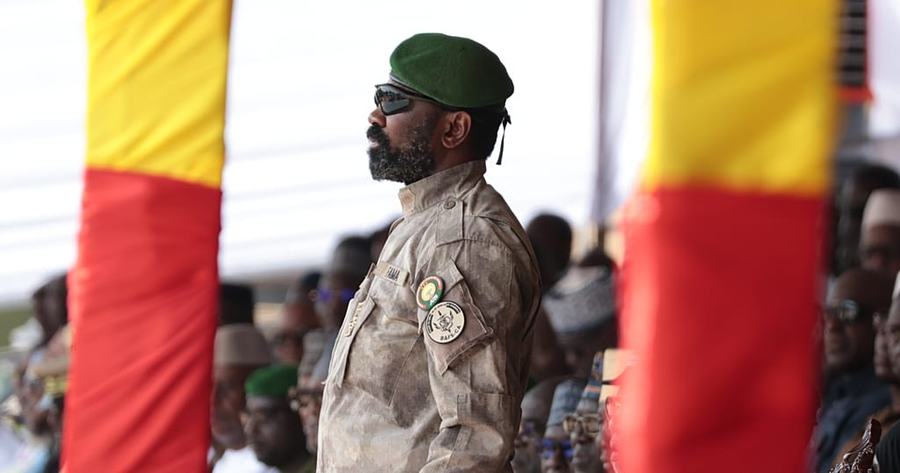
Simultaneous JNIM and ALF strikes on Malian military positions signal that the junta's Wagner-backed counter-insurgency has failed to degrade jihadist operational capacity or resolve the Tuareg political grievance that fuels the ALF.
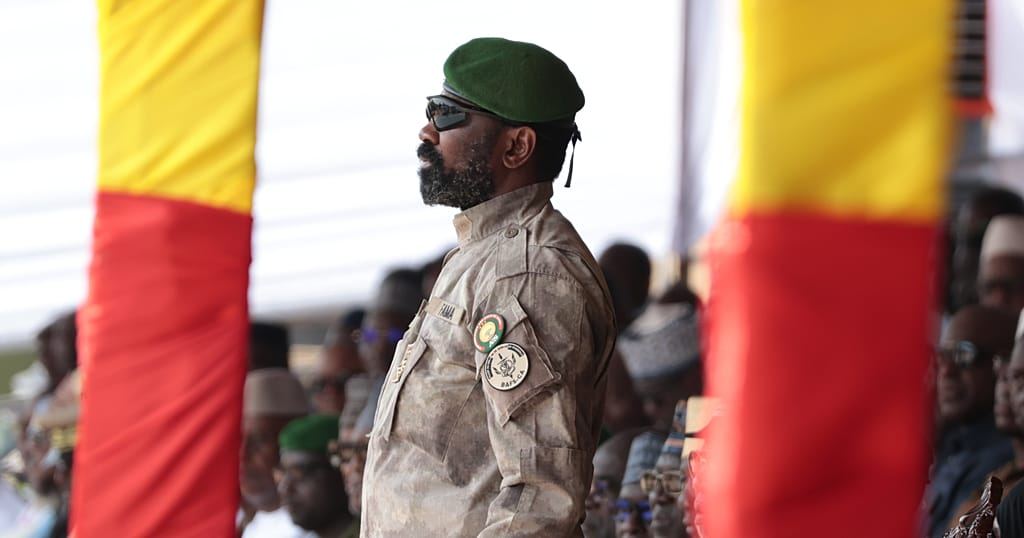
Simultaneous JNIM and ALF strikes on the same day is not coincidence, it is proof that Bamako's junta has spent years and a costly Wagner contract without shrinking the map either group operates on. Two insurgencies with two different grievances, jihadist expansion and Tuareg separatism, are converging on the same conclusion: the military government's counter-insurgency strategy reads better in state media than it does on the ground in northern Mali. Wagner's presence hasn't changed the fundamental math for either side.
Jama'at Nusrat al-Islam wal Muslimin and the Azawad Liberation Front launched coordinated attacks on Malian Armed Forces installations, with both groups claiming responsibility in what appears to be a tactical alignment, however temporary, between ideologically distinct insurgent movements united by opposition to Bamako's authority.
The dual-front pressure exposes the structural flaw in the Malian junta's security calculus: expelling French Barkhane forces and replacing them with Russian instructors addressed neither the Tuareg political demand for autonomy nor JNIM's ideological recruitment pipeline. Neighbouring states in the AES bloc, Burkina Faso and Niger, face analogous dynamics and will be watching Bamako's casualty figures and territorial losses closely.
The critical variable to monitor is whether the ALF-JNIM tactical convergence deepens into operational coordination, which would dramatically complicate any future peace negotiation by entangling separatist and jihadist agendas that have historically been kept analytically, if not practically, separate.
READ THE SOURCE REPORT FROM AFRICANEWS →Enjoying Strata-AF™?
Sign in or sign up for a personalised feed and unlock Strata-AF™ Originals.