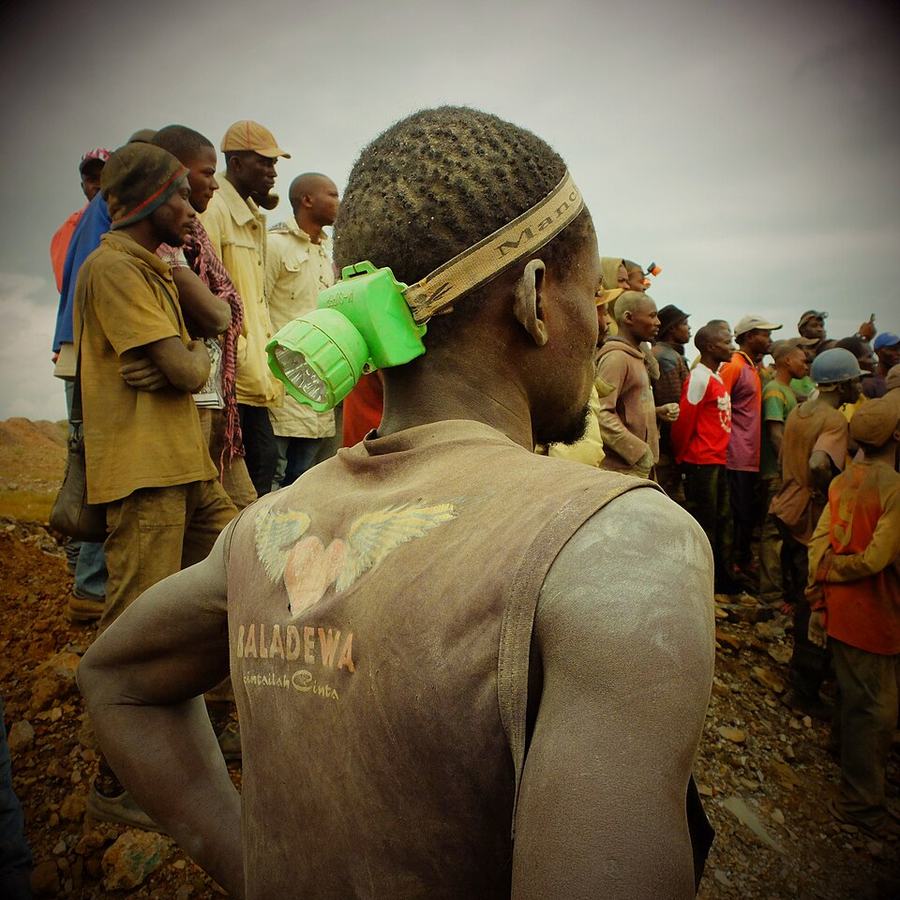
Artisanal miners in eastern Congo are treating Ebola containment as someone else's problem — their mobility is precisely what makes them both economically vital and epidemiologically lethal.
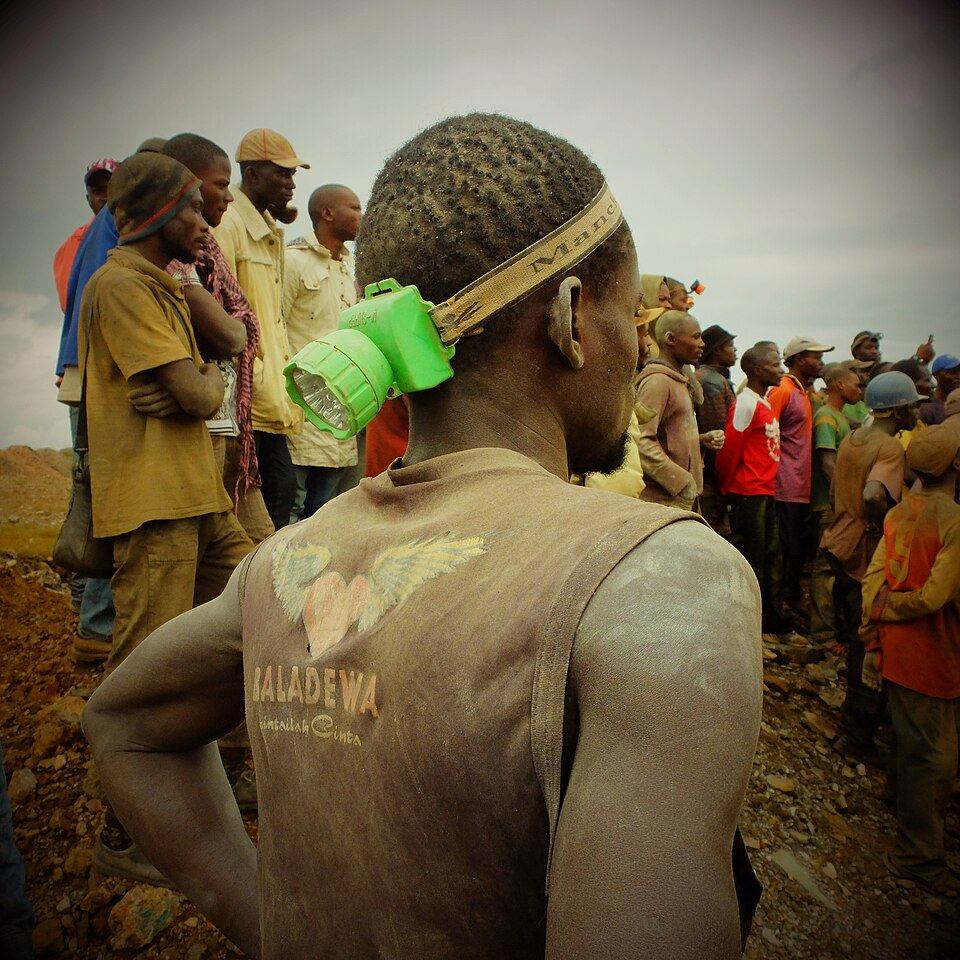
An outbreak of Ebola in eastern Democratic Republic of Congo is colliding with the itinerant logic of artisanal gold mining, where workforce mobility is not a bug but the entire business model. Miners shuttle constantly between extraction sites and trading hubs, carrying gold — and potentially the virus — across porous borders into Uganda, Rwanda, and beyond. Containment strategies built around sedentary communities are structurally blind to this reality.
The continental stakes are immediate. Eastern DRC's artisanal and small-scale gold sector feeds regional supply chains that reach Kampala, Kigali, and Dubai, making any cordon sanitaire economically painful enough that compliance will be partial at best. Previous Kivu-area outbreaks demonstrated that economic coercion — blocking movement without compensating lost income — drives miners underground rather than into treatment centers, accelerating rather than arresting transmission.
The pressure points to monitor are threefold: whether the DRC government and WHO offer credible livelihood support to incentivise voluntary movement restrictions; how quickly Uganda and Rwanda activate cross-border surveillance protocols; and whether international gold buyers introduce provenance scrutiny that inadvertently punishes compliant miners and rewards those avoiding checkpoints.
READ THE SOURCE REPORT FROM AFRICANEWS →Enjoying Strata-AF™?
Sign in or sign up for a personalised feed and unlock Strata-AF™ Originals.