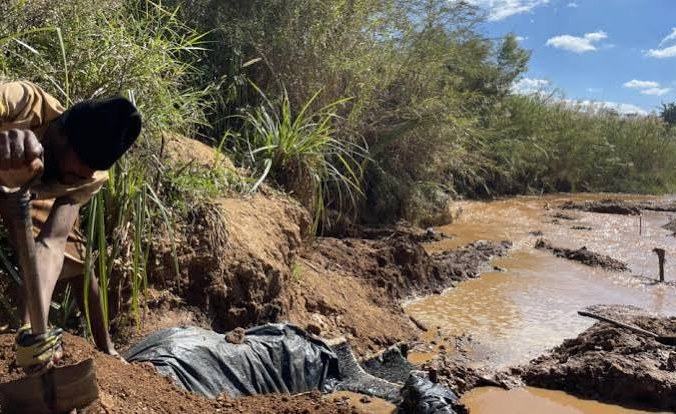
Zimbabwe's artisanal gold boom is turbocharging malaria transmission: abandoned pits become mosquito nurseries precisely as donor funding retreats and erratic rainfall extends breeding seasons.
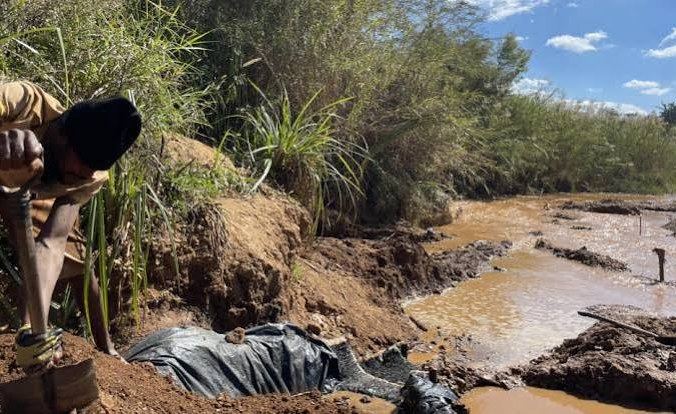
In Mutare and surrounding Manicaland province, informal gold miners dig and abandon open pits that collect stagnant water year-round, creating near-perfect Anopheles mosquito habitat. The convergence is brutal: Zimbabwe recorded a sharp spike in malaria cases even as the Global Fund and USAID-linked programmes scaled back financing for insecticide-treated nets and indoor residual spraying. Climate shifts are stretching the transmission season into months that were historically too cool for sustained mosquito activity.
The continental resonance is immediate. Across the Sahel, Great Lakes and Southern African mining belts—from artisanal gold corridors in eastern DRC and western Tanzania to small-scale operations in Ghana's Ashanti region—the same dynamic repeats: extraction economies generate landscape disturbances that public-health systems, already underfunded, cannot remediate. Zimbabwe's case makes the political economy explicit: royalty and licensing revenues from artisanal mining rarely flow back into the community health infrastructure those same miners destroy.
Watch whether Harare's Ministry of Mines is compelled to mandate pit rehabilitation bonds for artisanal operators, and whether the Africa CDC's push for domestically financed disease-control frameworks gains traction as Western donor retreat bites. The more structural question is whether Southern African Development Community states will coordinate cross-border vector-control standards in shared mining corridors before the next high-transmission season peaks.
READ THE SOURCE REPORT FROM ALLAFRICA BUSINESS →Enjoying Strata-AF™?
Sign in or sign up for a personalised feed and unlock Strata-AF™ Originals.