--:--LAGOS
CultureMusicFilmTechSportsPoliticsHealthFinanceReligionFashion
film★ STRATA-AF™ ORIGINAL
Meji Alabi's Biafra Film Forces Nigeria to Face What It Buried

A Grammy winning director's documentary on his grandfather's Biafran War role arrives at a moment when Nollywood has the industrial scale to demand the history that Nigeria's state and international festivals have both, for different reasons, preferred to leave alone.
Nigeria6 MIN
LISTEN TO STRATA-AF™ NOTE
Share
Meji Alabi's Biafra Film Forces Nigeria to Face What It Buried
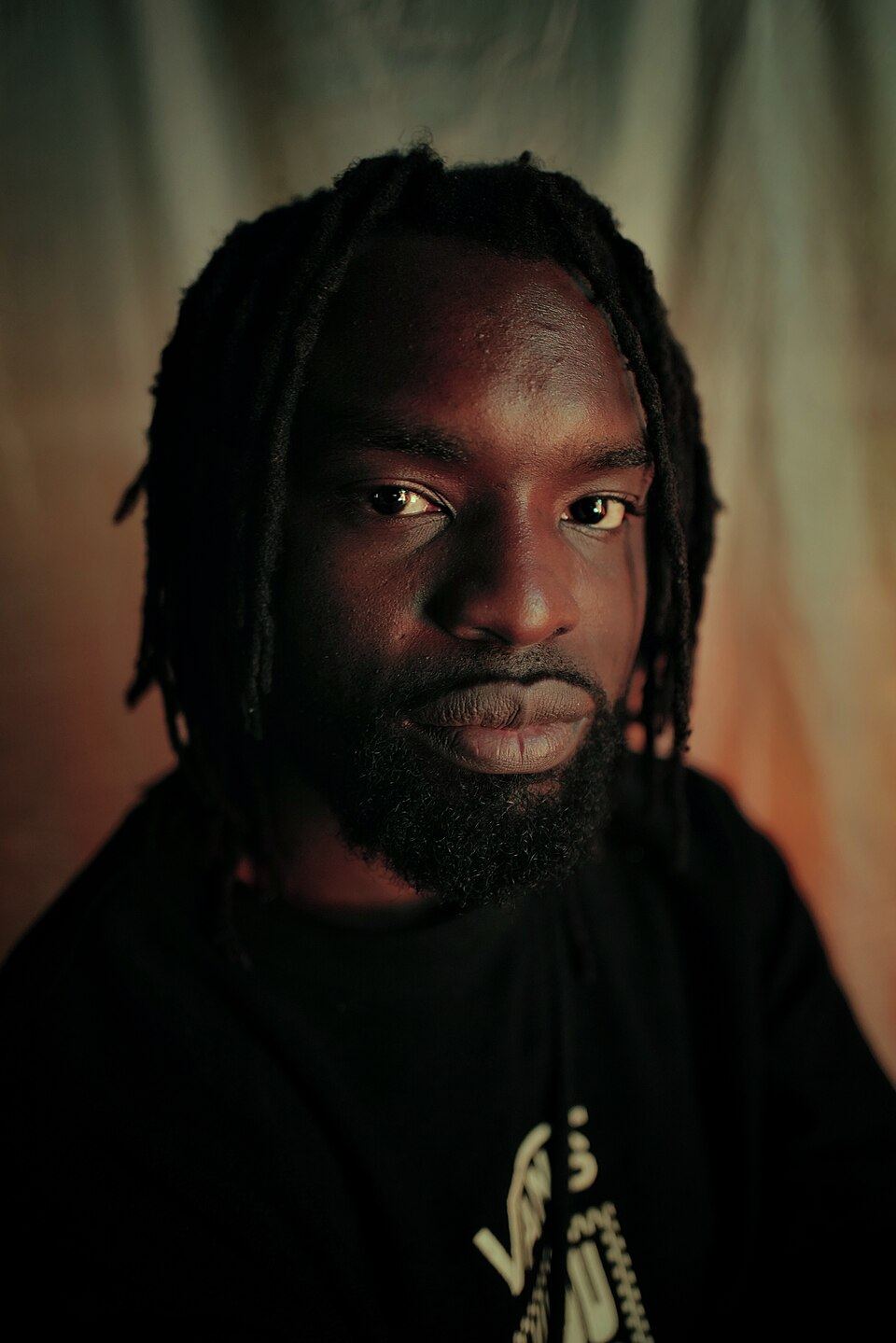
IMAGE · Meji Alabi · CC BY-SA 4.0 · Wikimedia Commons

The most dangerous thing about Meji Alabi's BBC Africa Eye documentary is not its subject matter. It is what it has already set in motion.

Meji Alabi, Grammy winning director, Nigerian Canadian, known for music videos that have shaped how the world sees Afrobeats — turned his lens on his own grandfather's role in the Biafran War [1]. Surviving Biafra, released in June 2026 by BBC Africa Eye, arrived without apology and without the hedging that Nigerian public life has traditionally demanded from anyone who approaches this subject.

That war, fought between 1967 and 1970, killed between one and three million people, most of them Igbo, most of them through a federally enforced blockade that the Nigerian government has never formally characterised as a war crime, let alone atoned for. The conflict has no agreed national memorial. It has no reparations framework. What it has is a political consensus, maintained across six decades, that the war ended and therefore so did the conversation.

A filmmaker with Alabi's platform does not observe that consensus. He inherits it, and then decides whether to break it [1]. With Surviving Biafra now out and being watched across Nigeria, the diaspora and beyond, that decision has already been made.

The choice to make this film matters beyond its content. Nigeria's film industry — Nollywood is now the second largest by output on the planet — has the reach, the audience and the emotional vocabulary to do what no academic paper or government commission has managed: make the Biafran War feel present. That is precisely the problem for a Nigerian state that has invested heavily in framing 1970 as the endpoint, not a wound still open. Meji Alabi did not file a report. He reactivated a grievance inside a medium that Lagos, Enugu and Owerri all watch.

STRATA-AF™

Keep reading this Original

Sign in or sign up to finish this story, get your personalised feed, and unlock every Strata-AF™ Original.

SIGN IN / SIGN UP
READ NEXT
Grammy-winning director explores his Nigerian grandfather's role in the Biafran war
FILMBBC
Grammy-winning director explores his Nigerian grandfather's role in the Biafran war
Nigeria3 MINREAD →
Cannes Acclaim Is Finally Filling Nigerian Cinema Seats
FILMYNaija
Cannes Acclaim Is Finally Filling Nigerian Cinema Seats
Lagos, Nigeria1 MINREAD →
--:--LAGOS
STRATA-AF™
ISSUE 001FEED◎ SEARCHSUBSCRIBE
/shows/data/docs
film★ STRATA-AF™ ORIGINAL
Meji Alabi's Biafra Film Forces Nigeria to Face What It Buried
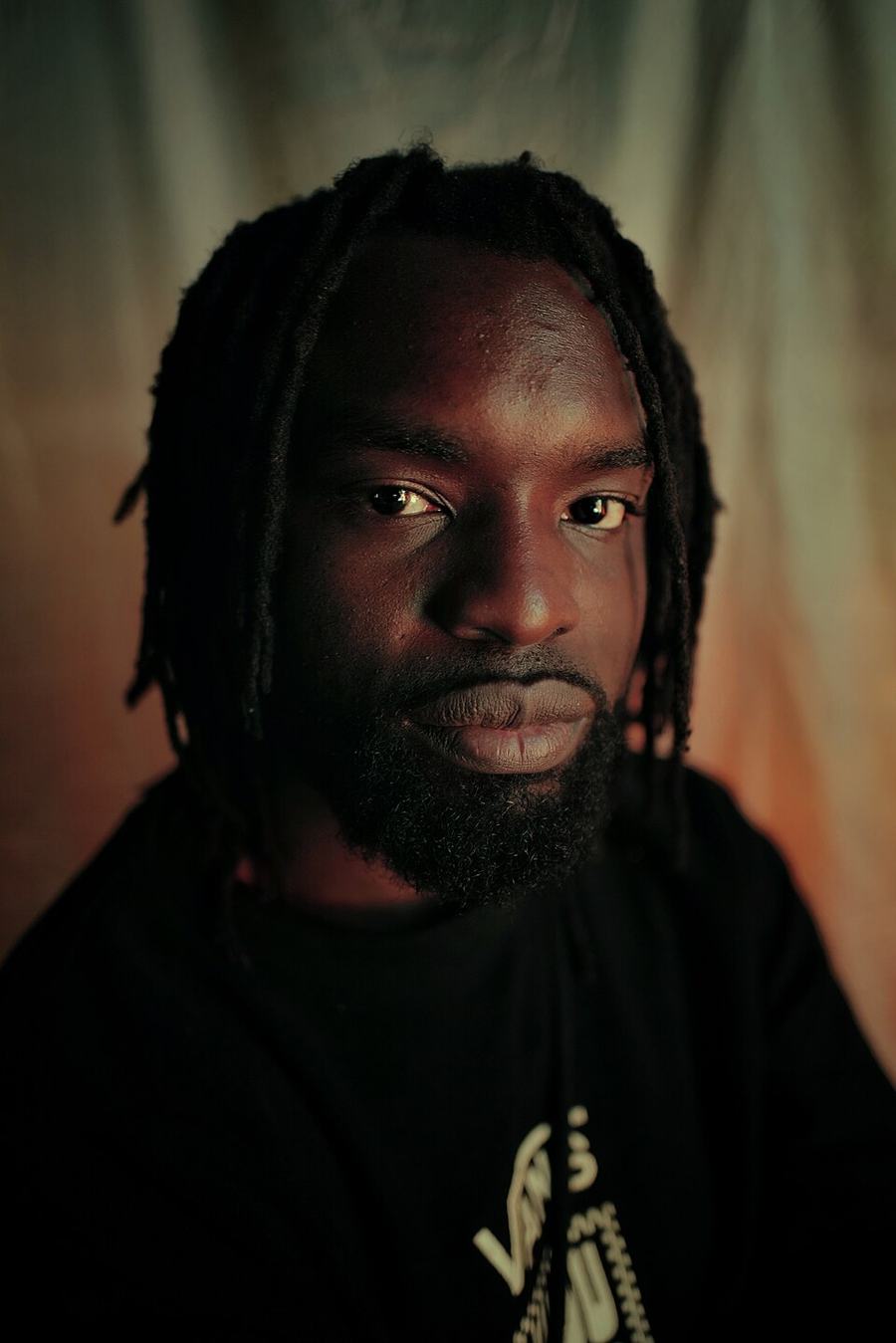
IMAGE · Meji Alabi · CC BY-SA 4.0 · Wikimedia Commons
Meji Alabi's Biafra Film Forces Nigeria to Face What It Buried

A Grammy winning director's documentary on his grandfather's Biafran War role arrives at a moment when Nollywood has the industrial scale to demand the history that Nigeria's state and international festivals have both, for different reasons, preferred to leave alone.

Nigeria6 MIN READ
LISTEN TO STRATA-AF™ NOTE
Share

The most dangerous thing about Meji Alabi's BBC Africa Eye documentary is not its subject matter. It is what it has already set in motion.

Meji Alabi, Grammy winning director, Nigerian Canadian, known for music videos that have shaped how the world sees Afrobeats — turned his lens on his own grandfather's role in the Biafran War [1]. Surviving Biafra, released in June 2026 by BBC Africa Eye, arrived without apology and without the hedging that Nigerian public life has traditionally demanded from anyone who approaches this subject.

That war, fought between 1967 and 1970, killed between one and three million people, most of them Igbo, most of them through a federally enforced blockade that the Nigerian government has never formally characterised as a war crime, let alone atoned for. The conflict has no agreed national memorial. It has no reparations framework. What it has is a political consensus, maintained across six decades, that the war ended and therefore so did the conversation.

A filmmaker with Alabi's platform does not observe that consensus. He inherits it, and then decides whether to break it [1]. With Surviving Biafra now out and being watched across Nigeria, the diaspora and beyond, that decision has already been made.

The choice to make this film matters beyond its content. Nigeria's film industry — Nollywood is now the second largest by output on the planet — has the reach, the audience and the emotional vocabulary to do what no academic paper or government commission has managed: make the Biafran War feel present. That is precisely the problem for a Nigerian state that has invested heavily in framing 1970 as the endpoint, not a wound still open. Meji Alabi did not file a report. He reactivated a grievance inside a medium that Lagos, Enugu and Owerri all watch.

STRATA-AF™

Keep reading this Original

Sign in or sign up to finish this story, get your personalised feed, and unlock every Strata-AF™ Original.

SIGN IN / SIGN UP
VERTICAL
film
ORIGIN
Nigeria
READ NEXT2 PIECES SELECTED BY OUR EDITORS
FILM
Grammy-winning director explores his Nigerian grandfather's role in the Biafran war
Filmmaker Meji Alabi directs a landmark BBC Africa Eye documentary about Nigeria's civil war.
Nigeria3 MINREAD →
FILM
Cannes Acclaim Is Finally Filling Nigerian Cinema Seats
Prestige and box office stopped being a trade-off. That is the shift.
Lagos, Nigeria1 MINREAD →
CULTURE · MUSIC · FILM · TECH · SPORT · POLITICS · HEALTH · FINANCE · RELIGION · FASHION · LAGOS · NAIROBI · JOBURG · ACCRA · DATA JOURNALISM · ORIGINAL REPORTING · THE ACTUAL VERSION ·CULTURE · MUSIC · FILM · TECH · SPORT · POLITICS · HEALTH · FINANCE · RELIGION · FASHION · LAGOS · NAIROBI · JOBURG · ACCRA · DATA JOURNALISM · ORIGINAL REPORTING · THE ACTUAL VERSION ·
Premium editorial for a continent that's done waiting to be covered.

Not the export-market version. Not the diaspora version. The actual version — written by the people who live there.

Verticals
CultureMusicFilmTechSportsPolitics
HUBS
Strata-AF OriginalsDataDocsNewsletterArchiveShows
Company
AboutMissionManifestoLegal
REACH
10VERTICALS
6CONTENT TYPES
5CITIES
1STANDARD
© 2026 STRATA-AF™ · STRATA PUBLISHING CO LTD · LAGOS · JOBURG · NAIROBI · ACCRAPRIVACYTERMSCORRECTIONSMASTHEAD
 
 
--:--LAGOS
CultureMusicFilmTechSportsPoliticsHealthFinanceReligionFashion
Highlights
Strata-AF
Editor's Pick
From the web
RELIGIONSTRATA-AF™STRATA-AF™ ORIGINAL
Niger State's Mosque Raids Expose a Response Gap
3 MINREAD →
HEALTHFROM THE WEB
Ebola Deaths in DRC Pass 2,000 at Day 100
A hundred days in, the DRC's Ebola outbreak has crossed 2,000 deaths, and the trajectory hasn't flattened.
DR Congo· The Guardian · 24 AUG
HEALTHFROM THE WEB
Unpaid Ebola Workers Strain DRC Outbreak Response
Health workers fighting the DRC's Ebola outbreak are reportedly going unpaid, even as officials describe the spread as exponential.
DR Congo· The Guardian · 24 AUG
RELIGIONFROM THE WEB
Niger State Still Can't Confirm Mosque Abduction Count
Four days after the mosque abductions, Niger State's government still can't say how many people were actually taken.
Nigeria1 MIN · AllAfrica · 24 AUG
RELIGIONFROM THE WEB
Villagers Describe Armed Raid During Niger Prayers
Witnesses in two Niger State villages describe an armed raid during Friday prayers, with police still confirming basic details days later.
Nigeria· DW · 24 AUG
CULTUREFROM THE WEB
Kenyan Social Entrepreneur Wins German Africa Prize
Wawira Njiru turned school-feeding logistics into a movement, and Germany just gave that work its biggest prize.
Kenya· DW · 24 AUG
SPORTSFROM THE WEB
Refugee Runner Amanal Petros Becomes European Champion
Amanal Petros ran from a war Germany didn't start and became one of its fastest citizens by choice, not birthright.
Ethiopia· DW · 24 AUG
CULTUREFROM THE WEB
Cameroon Marks 40 Years Since the Lake Nyos Gas Disaster
Four decades on, Lake Nyos still shapes how Cameroon's lake communities weigh the ground beneath them.
Cameroon· DW · 24 AUG
FINANCEFROM THE WEB
Congo-Brazzaville's Resource Wealth Still Skips Its People
Congo-Brazzaville sits on real mineral wealth, but the value keeps leaving before it reaches the people who live above it.
DR Congo· AllAfrica · 24 AUG
SPORTSFROM THE WEB
Egyptian Wrestler Loses Medal Over Mediterranean Games Assault
A silver medal became a disciplinary case the moment the match ended, not because of the result but the reaction to it.
Egypt· Egypt Independent · 24 AUG
See all stories

The actual version — written by the people who live there.

10VERTICALS
6TYPES
5CITIES
1STANDARD
AboutMissionManifestoLegalOriginalsSubscribeArchiveShowsContributorsJobs
© 2026 STRATA-AF™ · STRATA PUBLISHING CO LTD · LAGOS · NAIROBI · JOBURG · ACCRA
 
 
--:--LAGOS
CultureMusicFilmTechSportsPoliticsHealthFinanceReligionFashion
film★ STRATA-AF™ ORIGINAL
Meji Alabi's Biafra Film Forces Nigeria to Face What It Buried

A Grammy winning director's documentary on his grandfather's Biafran War role arrives at a moment when Nollywood has the industrial scale to demand the history that Nigeria's state and international festivals have both, for different reasons, preferred to leave alone.

Nigeria6 MIN
LISTEN TO STRATA-AF™ NOTE
Share
Meji Alabi's Biafra Film Forces Nigeria to Face What It Buried

The most dangerous thing about Meji Alabi's BBC Africa Eye documentary is not its subject matter. It is what it has already set in motion.

Meji Alabi, Grammy winning director, Nigerian Canadian, known for music videos that have shaped how the world sees Afrobeats — turned his lens on his own grandfather's role in the Biafran War [1]. Surviving Biafra, released in June 2026 by BBC Africa Eye, arrived without apology and without the hedging that Nigerian public life has traditionally demanded from anyone who approaches this subject.

That war, fought between 1967 and 1970, killed between one and three million people, most of them Igbo, most of them through a federally enforced blockade that the Nigerian government has never formally characterised as a war crime, let alone atoned for. The conflict has no agreed national memorial. It has no reparations framework. What it has is a political consensus, maintained across six decades, that the war ended and therefore so did the conversation.

A filmmaker with Alabi's platform does not observe that consensus. He inherits it, and then decides whether to break it [1]. With Surviving Biafra now out and being watched across Nigeria, the diaspora and beyond, that decision has already been made.

The choice to make this film matters beyond its content. Nigeria's film industry — Nollywood is now the second largest by output on the planet — has the reach, the audience and the emotional vocabulary to do what no academic paper or government commission has managed: make the Biafran War feel present. That is precisely the problem for a Nigerian state that has invested heavily in framing 1970 as the endpoint, not a wound still open. Meji Alabi did not file a report. He reactivated a grievance inside a medium that Lagos, Enugu and Owerri all watch.

STRATA-AF™

Keep reading this Original

Sign in or sign up to finish this story, get your personalised feed, and unlock every Strata-AF™ Original.

SIGN IN / SIGN UP
READ NEXT
--:--LAGOS
/shows/data/docs
film★ STRATA-AF™ ORIGINAL
Meji Alabi's Biafra Film Forces Nigeria to Face What It Buried
IMAGE · Meji Alabi · CC BY-SA 4.0 · Wikimedia Commons
Meji Alabi's Biafra Film Forces Nigeria to Face What It Buried

A Grammy winning director's documentary on his grandfather's Biafran War role arrives at a moment when Nollywood has the industrial scale to demand the history that Nigeria's state and international festivals have both, for different reasons, preferred to leave alone.

Nigeria6 MIN READ
LISTEN TO STRATA-AF™ NOTE
Share

The most dangerous thing about Meji Alabi's BBC Africa Eye documentary is not its subject matter. It is what it has already set in motion.

Meji Alabi, Grammy winning director, Nigerian Canadian, known for music videos that have shaped how the world sees Afrobeats — turned his lens on his own grandfather's role in the Biafran War [1]. Surviving Biafra, released in June 2026 by BBC Africa Eye, arrived without apology and without the hedging that Nigerian public life has traditionally demanded from anyone who approaches this subject.

That war, fought between 1967 and 1970, killed between one and three million people, most of them Igbo, most of them through a federally enforced blockade that the Nigerian government has never formally characterised as a war crime, let alone atoned for. The conflict has no agreed national memorial. It has no reparations framework. What it has is a political consensus, maintained across six decades, that the war ended and therefore so did the conversation.

A filmmaker with Alabi's platform does not observe that consensus. He inherits it, and then decides whether to break it [1]. With Surviving Biafra now out and being watched across Nigeria, the diaspora and beyond, that decision has already been made.

The choice to make this film matters beyond its content. Nigeria's film industry — Nollywood is now the second largest by output on the planet — has the reach, the audience and the emotional vocabulary to do what no academic paper or government commission has managed: make the Biafran War feel present. That is precisely the problem for a Nigerian state that has invested heavily in framing 1970 as the endpoint, not a wound still open. Meji Alabi did not file a report. He reactivated a grievance inside a medium that Lagos, Enugu and Owerri all watch.

STRATA-AF™

Keep reading this Original

Sign in or sign up to finish this story, get your personalised feed, and unlock every Strata-AF™ Original.

SIGN IN / SIGN UP
VERTICAL
film
ORIGIN
Nigeria
READ NEXT2 PIECES SELECTED BY OUR EDITORS
CULTURE · MUSIC · FILM · TECH · SPORT · POLITICS · HEALTH · FINANCE · RELIGION · FASHION · LAGOS · NAIROBI · JOBURG · ACCRA · DATA JOURNALISM · ORIGINAL REPORTING · THE ACTUAL VERSION ·CULTURE · MUSIC · FILM · TECH · SPORT · POLITICS · HEALTH · FINANCE · RELIGION · FASHION · LAGOS · NAIROBI · JOBURG · ACCRA · DATA JOURNALISM · ORIGINAL REPORTING · THE ACTUAL VERSION ·
Premium editorial for a continent that's done waiting to be covered.

Not the export-market version. Not the diaspora version. The actual version — written by the people who live there.

Verticals
CultureMusicFilmTechSportsPolitics
HUBS
Strata-AF OriginalsDataDocsNewsletterArchiveShows
Company
AboutMissionManifestoLegal
REACH
10VERTICALS
6CONTENT TYPES
5CITIES
1STANDARD
© 2026 STRATA-AF™ · STRATA PUBLISHING CO LTD · LAGOS · JOBURG · NAIROBI · ACCRAPRIVACYTERMSCORRECTIONSMASTHEAD