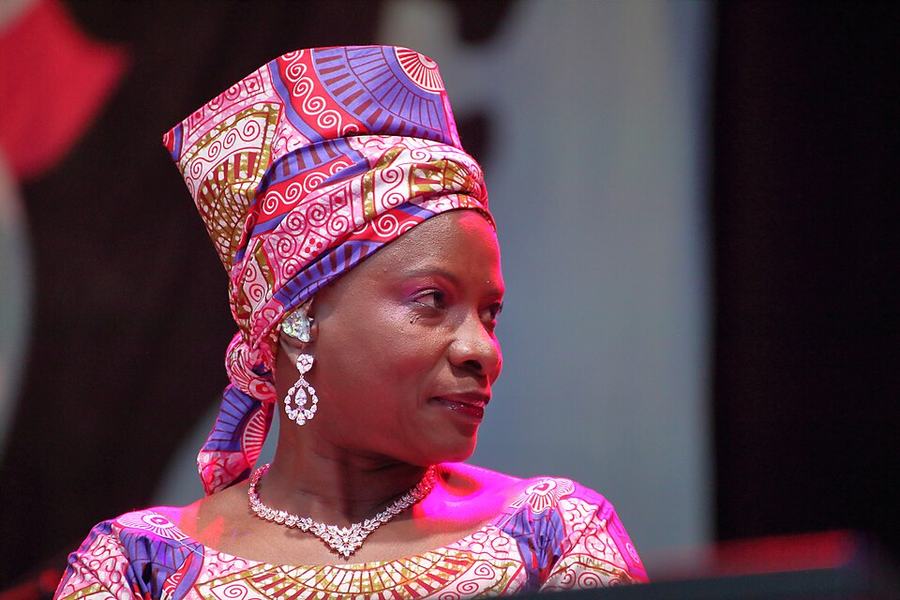
Angélique Kidjo becoming the first African woman on the Walk of Fame in 2025 is not a celebration, it is a confession. The global music industry took sixty years to call African artistry legacy-worthy, and the structural barriers ensuring the next Kidjo stays invisible are still fully intact.
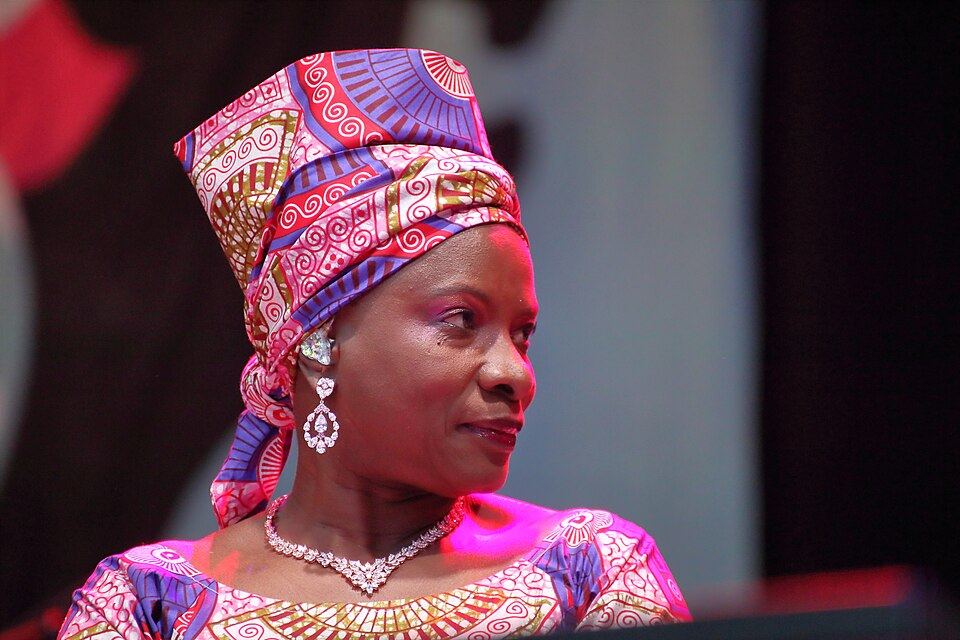
The Hollywood Walk of Fame has existed since 1960. Angélique Kidjo received her star in 2025. Do the arithmetic and you get sixty-five years during which the most commercially powerful cultural canonisation machine in the world found no African woman worthy of permanent concrete. That is not an oversight. That is a policy.
Kidjo herself refused the polite framing. Standing on Hollywood Boulevard, she said the star was not hers — it was for Africa, and for France, and for every artist the industry filed under "world music" and quietly shelved [2]. That reframe matters. It converts a ceremony into an accusation. The question is whether anyone receiving the accusation is actually listening.
The Beninese singer has spent six decades building one of the most architecturally ambitious bodies of work in post-colonial music — Fon lullabies rewired into Afrobeat, Celia Cruz reimagined through West African rhythm, Talking Heads covered in Yoruba — and she did it without the Walk of Fame, without the institutional scaffolding, and largely without the marketing machinery that amplifies lesser artists into household names in New York or London [1]. The star did not create her legacy. It confessed that the legacy had existed all along and the industry simply refused to look.
That refusal has a name and a mechanism. Global music canonisation has always run through Western gatekeepers — American Recording Academy voters, British music press editors, Hollywood Chamber of Commerce committees — who treat non-Western art as influence to be borrowed rather than origin to be credited [3]. Afrobeat did not become a "global trend" when Fela Kuti played it in Lagos. It became one when enough streaming platforms, festival bookers and Grammy categories decided African sound was monetisable enough to acknowledge. Kidjo's star is the latest and most visible instance of that lag.
But the lag is not just historical. It is structural and ongoing. While the industry congratulates itself with a ceremony on a Los Angeles pavement, the financial architecture governing African artists' livelihoods remains extractive by design [4]. Digital streaming platforms bill artists and labels in dollars — the de facto currency of the global music economy — and pay out in naira, cedi, birr, or kwacha, absorbing the spread between billing rate and payout rate as the exchange differential compounds [4]. A stream in Lagos generates the same Spotify play count as a stream in Stockholm. It does not generate the same revenue. The platform profits from the difference. The artist does not.
Keep reading this Original
Sign in or sign up to finish this story, get your personalised feed, and unlock every Strata-AF™ Original.
SIGN IN / SIGN UP