--:--LAGOS
CultureMusicFilmTechSportsPoliticsHealthFinanceReligionFashion
fashion★ STRATA-AF™ ORIGINAL
Kenya's Cotton Chain Is Almost Complete, the Margin Still Leaks Out

Kenya is rebuilding its cotton to textile pipeline with serious state backing but without domestic brand infrastructure and IP ownership, the finished value will keep flowing to foreign retailers, not Nairobi.
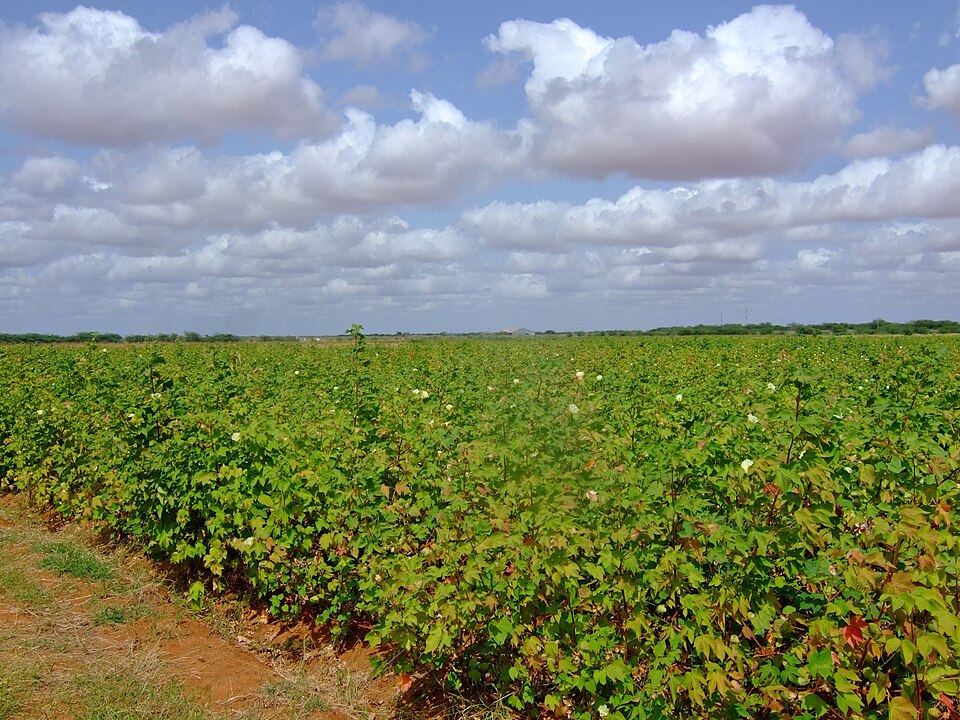
Nairobi, Kenya6 MIN
LISTEN TO STRATA-AF™ NOTE
Share
Kenya's Cotton Chain Is Almost Complete, the Margin Still Leaks Out
IMAGE · Jerome KL · CC BY-SA 4.0 · Wikimedia Commons

The cotton is growing. The gins are running. The garment factories are hiring. Kenya's vertical textile ambition is closer to reality than it has been in two decades — and that is precisely the moment to ask who is going to own the margin when the chain is complete.

The structural answer, right now, is: not Kenya. [4]

Kanya's cotton revival has moved decisively downstream. Ginning and spinning capacity is expanding, garment manufacturing investment is following, and the policy language has shifted from raw-material export to industrial processing. [4] This is real progress. It is also incomplete progress, and the incompleteness matters more than the progress does — because a fully assembled value chain that terminates in a foreign brand's label is still an extractive arrangement. The workers get wages. The state gets some tax. The margin goes elsewhere.

The pattern is not unique to Kenya. Sierra Leone's weavers are feeding Krio cloth and country weaves into global fashion circuits — heritage textiles with genuine scarcity value — and doing so without IP frameworks or formalised supply chains that would let Sierra Leonean producers capture the premium their craft commands in London or New York. [1] The commodity ends up in the product. The story ends up on the label. The money ends up with whoever owns the label. That is the extractive logic in its most contemporary form: not plantations, but brand architecture.

Lagos Fashion Week's Green Access 2026 programme is attempting something harder than either Kenya's industrial buildout or Sierra Leone's craft export: it is trying to build a sustainable supply chain narrative that originates in West Africa and terminates in African brand equity. [2] Whether it succeeds or greenwashes is an open question — Lagos Fashion Week's own report acknowledges that without continent-wide traceability infrastructure, the sustainability claim risks becoming a positioning exercise layered over unchanged extraction. [2] But the aspiration is correct. The lever Lagos is reaching for — brand infrastructure, not just supply chain infrastructure — is the one Kenya has not yet reached for.

STRATA-AF™

Keep reading this Original

Sign in or sign up to finish this story, get your personalised feed, and unlock every Strata-AF™ Original.

SIGN IN / SIGN UP
--:--LAGOS
STRATA-AF™
ISSUE 001FEED◎ SEARCHSUBSCRIBE
/shows/data/docs
fashion★ STRATA-AF™ ORIGINAL
Kenya's Cotton Chain Is Almost Complete, the Margin Still Leaks Out
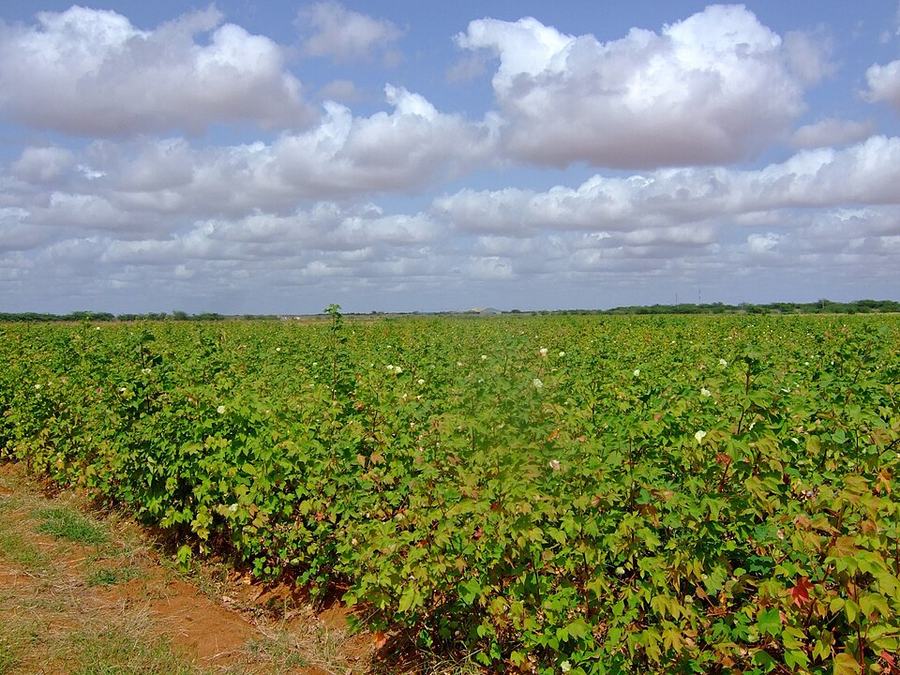
IMAGE · Jerome KL · CC BY-SA 4.0 · Wikimedia Commons
Kenya's Cotton Chain Is Almost Complete, the Margin Still Leaks Out

Kenya is rebuilding its cotton to textile pipeline with serious state backing but without domestic brand infrastructure and IP ownership, the finished value will keep flowing to foreign retailers, not Nairobi.

Nairobi, Kenya6 MIN READ
LISTEN TO STRATA-AF™ NOTE
Share

The cotton is growing. The gins are running. The garment factories are hiring. Kenya's vertical textile ambition is closer to reality than it has been in two decades — and that is precisely the moment to ask who is going to own the margin when the chain is complete.

The structural answer, right now, is: not Kenya. [4]

Kanya's cotton revival has moved decisively downstream. Ginning and spinning capacity is expanding, garment manufacturing investment is following, and the policy language has shifted from raw-material export to industrial processing. [4] This is real progress. It is also incomplete progress, and the incompleteness matters more than the progress does — because a fully assembled value chain that terminates in a foreign brand's label is still an extractive arrangement. The workers get wages. The state gets some tax. The margin goes elsewhere.

The pattern is not unique to Kenya. Sierra Leone's weavers are feeding Krio cloth and country weaves into global fashion circuits — heritage textiles with genuine scarcity value — and doing so without IP frameworks or formalised supply chains that would let Sierra Leonean producers capture the premium their craft commands in London or New York. [1] The commodity ends up in the product. The story ends up on the label. The money ends up with whoever owns the label. That is the extractive logic in its most contemporary form: not plantations, but brand architecture.

Lagos Fashion Week's Green Access 2026 programme is attempting something harder than either Kenya's industrial buildout or Sierra Leone's craft export: it is trying to build a sustainable supply chain narrative that originates in West Africa and terminates in African brand equity. [2] Whether it succeeds or greenwashes is an open question — Lagos Fashion Week's own report acknowledges that without continent-wide traceability infrastructure, the sustainability claim risks becoming a positioning exercise layered over unchanged extraction. [2] But the aspiration is correct. The lever Lagos is reaching for — brand infrastructure, not just supply chain infrastructure — is the one Kenya has not yet reached for.

STRATA-AF™

Keep reading this Original

Sign in or sign up to finish this story, get your personalised feed, and unlock every Strata-AF™ Original.

SIGN IN / SIGN UP
VERTICAL
fashion
ORIGIN
Nairobi, Kenya
CULTURE · MUSIC · FILM · TECH · SPORT · POLITICS · HEALTH · FINANCE · RELIGION · FASHION · LAGOS · NAIROBI · JOBURG · ACCRA · DATA JOURNALISM · ORIGINAL REPORTING · THE ACTUAL VERSION ·CULTURE · MUSIC · FILM · TECH · SPORT · POLITICS · HEALTH · FINANCE · RELIGION · FASHION · LAGOS · NAIROBI · JOBURG · ACCRA · DATA JOURNALISM · ORIGINAL REPORTING · THE ACTUAL VERSION ·
Premium editorial for a continent that's done waiting to be covered.

Not the export-market version. Not the diaspora version. The actual version — written by the people who live there.

Verticals
CultureMusicFilmTechSportsPolitics
HUBS
Strata-AF OriginalsDataDocsNewsletterArchiveShows
Company
AboutMissionManifestoLegal
REACH
10VERTICALS
6CONTENT TYPES
5CITIES
1STANDARD
© 2026 STRATA-AF™ · STRATA PUBLISHING CO LTD · LAGOS · JOBURG · NAIROBI · ACCRAPRIVACYTERMSCORRECTIONSMASTHEAD
 
 
--:--LAGOS
CultureMusicFilmTechSportsPoliticsHealthFinanceReligionFashion
Highlights
Strata-AF
Editor's Pick
From the web
RELIGIONSTRATA-AF™STRATA-AF™ ORIGINAL
Niger State's Mosque Raids Expose a Response Gap
3 MINREAD →
HEALTHFROM THE WEB
Ebola Deaths in DRC Pass 2,000 at Day 100
A hundred days in, the DRC's Ebola outbreak has crossed 2,000 deaths, and the trajectory hasn't flattened.
DR Congo· The Guardian · 24 AUG
HEALTHFROM THE WEB
Unpaid Ebola Workers Strain DRC Outbreak Response
Health workers fighting the DRC's Ebola outbreak are reportedly going unpaid, even as officials describe the spread as exponential.
DR Congo· The Guardian · 24 AUG
RELIGIONFROM THE WEB
Niger State Still Can't Confirm Mosque Abduction Count
Four days after the mosque abductions, Niger State's government still can't say how many people were actually taken.
Nigeria1 MIN · AllAfrica · 24 AUG
RELIGIONFROM THE WEB
Villagers Describe Armed Raid During Niger Prayers
Witnesses in two Niger State villages describe an armed raid during Friday prayers, with police still confirming basic details days later.
Nigeria· DW · 24 AUG
CULTUREFROM THE WEB
Kenyan Social Entrepreneur Wins German Africa Prize
Wawira Njiru turned school-feeding logistics into a movement, and Germany just gave that work its biggest prize.
Kenya· DW · 24 AUG
SPORTSFROM THE WEB
Refugee Runner Amanal Petros Becomes European Champion
Amanal Petros ran from a war Germany didn't start and became one of its fastest citizens by choice, not birthright.
Ethiopia· DW · 24 AUG
CULTUREFROM THE WEB
Cameroon Marks 40 Years Since the Lake Nyos Gas Disaster
Four decades on, Lake Nyos still shapes how Cameroon's lake communities weigh the ground beneath them.
Cameroon· DW · 24 AUG
FINANCEFROM THE WEB
Congo-Brazzaville's Resource Wealth Still Skips Its People
Congo-Brazzaville sits on real mineral wealth, but the value keeps leaving before it reaches the people who live above it.
DR Congo· AllAfrica · 24 AUG
SPORTSFROM THE WEB
Egyptian Wrestler Loses Medal Over Mediterranean Games Assault
A silver medal became a disciplinary case the moment the match ended, not because of the result but the reaction to it.
Egypt· Egypt Independent · 24 AUG
See all stories

The actual version — written by the people who live there.

10VERTICALS
6TYPES
5CITIES
1STANDARD
AboutMissionManifestoLegalOriginalsSubscribeArchiveShowsContributorsJobs
© 2026 STRATA-AF™ · STRATA PUBLISHING CO LTD · LAGOS · NAIROBI · JOBURG · ACCRA
 
 
--:--LAGOS
CultureMusicFilmTechSportsPoliticsHealthFinanceReligionFashion
fashion★ STRATA-AF™ ORIGINAL
Kenya's Cotton Chain Is Almost Complete, the Margin Still Leaks Out

Kenya is rebuilding its cotton to textile pipeline with serious state backing but without domestic brand infrastructure and IP ownership, the finished value will keep flowing to foreign retailers, not Nairobi.

Nairobi, Kenya6 MIN
LISTEN TO STRATA-AF™ NOTE
Share
Kenya's Cotton Chain Is Almost Complete, the Margin Still Leaks Out

The cotton is growing. The gins are running. The garment factories are hiring. Kenya's vertical textile ambition is closer to reality than it has been in two decades — and that is precisely the moment to ask who is going to own the margin when the chain is complete.

The structural answer, right now, is: not Kenya. [4]

Kanya's cotton revival has moved decisively downstream. Ginning and spinning capacity is expanding, garment manufacturing investment is following, and the policy language has shifted from raw-material export to industrial processing. [4] This is real progress. It is also incomplete progress, and the incompleteness matters more than the progress does — because a fully assembled value chain that terminates in a foreign brand's label is still an extractive arrangement. The workers get wages. The state gets some tax. The margin goes elsewhere.

The pattern is not unique to Kenya. Sierra Leone's weavers are feeding Krio cloth and country weaves into global fashion circuits — heritage textiles with genuine scarcity value — and doing so without IP frameworks or formalised supply chains that would let Sierra Leonean producers capture the premium their craft commands in London or New York. [1] The commodity ends up in the product. The story ends up on the label. The money ends up with whoever owns the label. That is the extractive logic in its most contemporary form: not plantations, but brand architecture.

Lagos Fashion Week's Green Access 2026 programme is attempting something harder than either Kenya's industrial buildout or Sierra Leone's craft export: it is trying to build a sustainable supply chain narrative that originates in West Africa and terminates in African brand equity. [2] Whether it succeeds or greenwashes is an open question — Lagos Fashion Week's own report acknowledges that without continent-wide traceability infrastructure, the sustainability claim risks becoming a positioning exercise layered over unchanged extraction. [2] But the aspiration is correct. The lever Lagos is reaching for — brand infrastructure, not just supply chain infrastructure — is the one Kenya has not yet reached for.

STRATA-AF™

Keep reading this Original

Sign in or sign up to finish this story, get your personalised feed, and unlock every Strata-AF™ Original.

SIGN IN / SIGN UP
--:--LAGOS
/shows/data/docs
fashion★ STRATA-AF™ ORIGINAL
Kenya's Cotton Chain Is Almost Complete, the Margin Still Leaks Out
IMAGE · Jerome KL · CC BY-SA 4.0 · Wikimedia Commons
Kenya's Cotton Chain Is Almost Complete, the Margin Still Leaks Out

Kenya is rebuilding its cotton to textile pipeline with serious state backing but without domestic brand infrastructure and IP ownership, the finished value will keep flowing to foreign retailers, not Nairobi.

Nairobi, Kenya6 MIN READ
LISTEN TO STRATA-AF™ NOTE
Share

The cotton is growing. The gins are running. The garment factories are hiring. Kenya's vertical textile ambition is closer to reality than it has been in two decades — and that is precisely the moment to ask who is going to own the margin when the chain is complete.

The structural answer, right now, is: not Kenya. [4]

Kanya's cotton revival has moved decisively downstream. Ginning and spinning capacity is expanding, garment manufacturing investment is following, and the policy language has shifted from raw-material export to industrial processing. [4] This is real progress. It is also incomplete progress, and the incompleteness matters more than the progress does — because a fully assembled value chain that terminates in a foreign brand's label is still an extractive arrangement. The workers get wages. The state gets some tax. The margin goes elsewhere.

The pattern is not unique to Kenya. Sierra Leone's weavers are feeding Krio cloth and country weaves into global fashion circuits — heritage textiles with genuine scarcity value — and doing so without IP frameworks or formalised supply chains that would let Sierra Leonean producers capture the premium their craft commands in London or New York. [1] The commodity ends up in the product. The story ends up on the label. The money ends up with whoever owns the label. That is the extractive logic in its most contemporary form: not plantations, but brand architecture.

Lagos Fashion Week's Green Access 2026 programme is attempting something harder than either Kenya's industrial buildout or Sierra Leone's craft export: it is trying to build a sustainable supply chain narrative that originates in West Africa and terminates in African brand equity. [2] Whether it succeeds or greenwashes is an open question — Lagos Fashion Week's own report acknowledges that without continent-wide traceability infrastructure, the sustainability claim risks becoming a positioning exercise layered over unchanged extraction. [2] But the aspiration is correct. The lever Lagos is reaching for — brand infrastructure, not just supply chain infrastructure — is the one Kenya has not yet reached for.

STRATA-AF™

Keep reading this Original

Sign in or sign up to finish this story, get your personalised feed, and unlock every Strata-AF™ Original.

SIGN IN / SIGN UP
VERTICAL
fashion
ORIGIN
Nairobi, Kenya
CULTURE · MUSIC · FILM · TECH · SPORT · POLITICS · HEALTH · FINANCE · RELIGION · FASHION · LAGOS · NAIROBI · JOBURG · ACCRA · DATA JOURNALISM · ORIGINAL REPORTING · THE ACTUAL VERSION ·CULTURE · MUSIC · FILM · TECH · SPORT · POLITICS · HEALTH · FINANCE · RELIGION · FASHION · LAGOS · NAIROBI · JOBURG · ACCRA · DATA JOURNALISM · ORIGINAL REPORTING · THE ACTUAL VERSION ·
Premium editorial for a continent that's done waiting to be covered.

Not the export-market version. Not the diaspora version. The actual version — written by the people who live there.

Verticals
CultureMusicFilmTechSportsPolitics
HUBS
Strata-AF OriginalsDataDocsNewsletterArchiveShows
Company
AboutMissionManifestoLegal
REACH
10VERTICALS
6CONTENT TYPES
5CITIES
1STANDARD
© 2026 STRATA-AF™ · STRATA PUBLISHING CO LTD · LAGOS · JOBURG · NAIROBI · ACCRAPRIVACYTERMSCORRECTIONSMASTHEAD