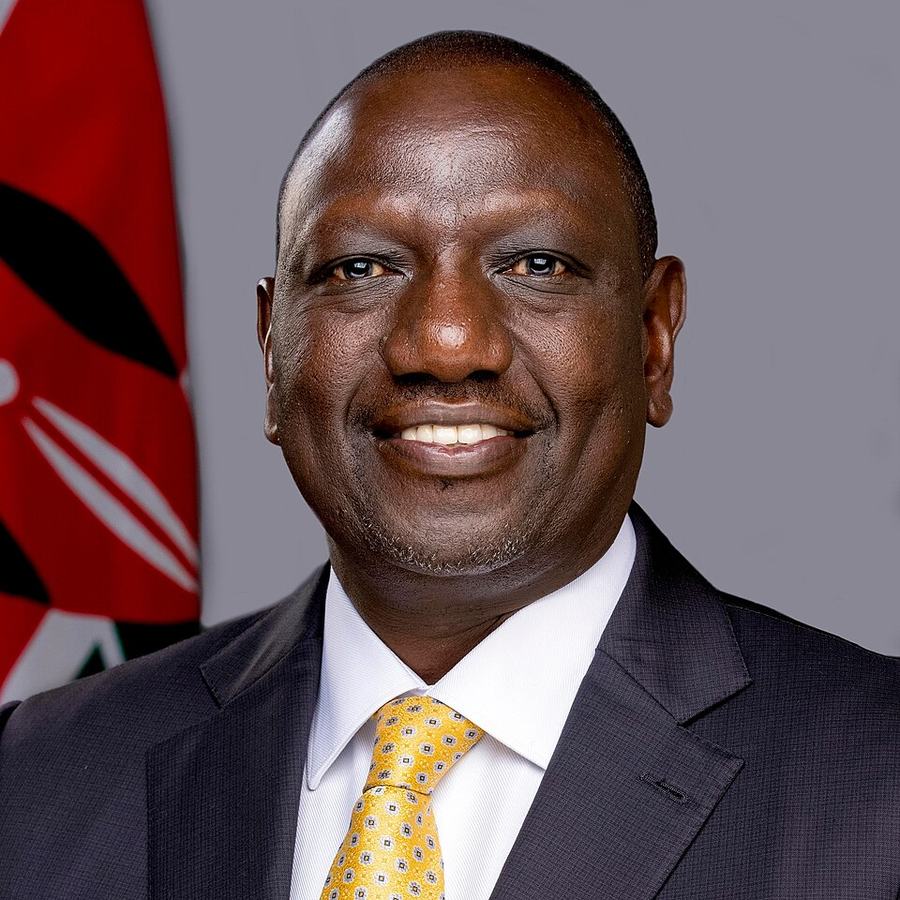
Ruto's warning to Kenya's political class doubles as an admission that ethnic rhetoric is already back in circulation.
Nairobi, President William Ruto has taken aim at politicians who he says are using tribal rhetoric to divide Kenyans.
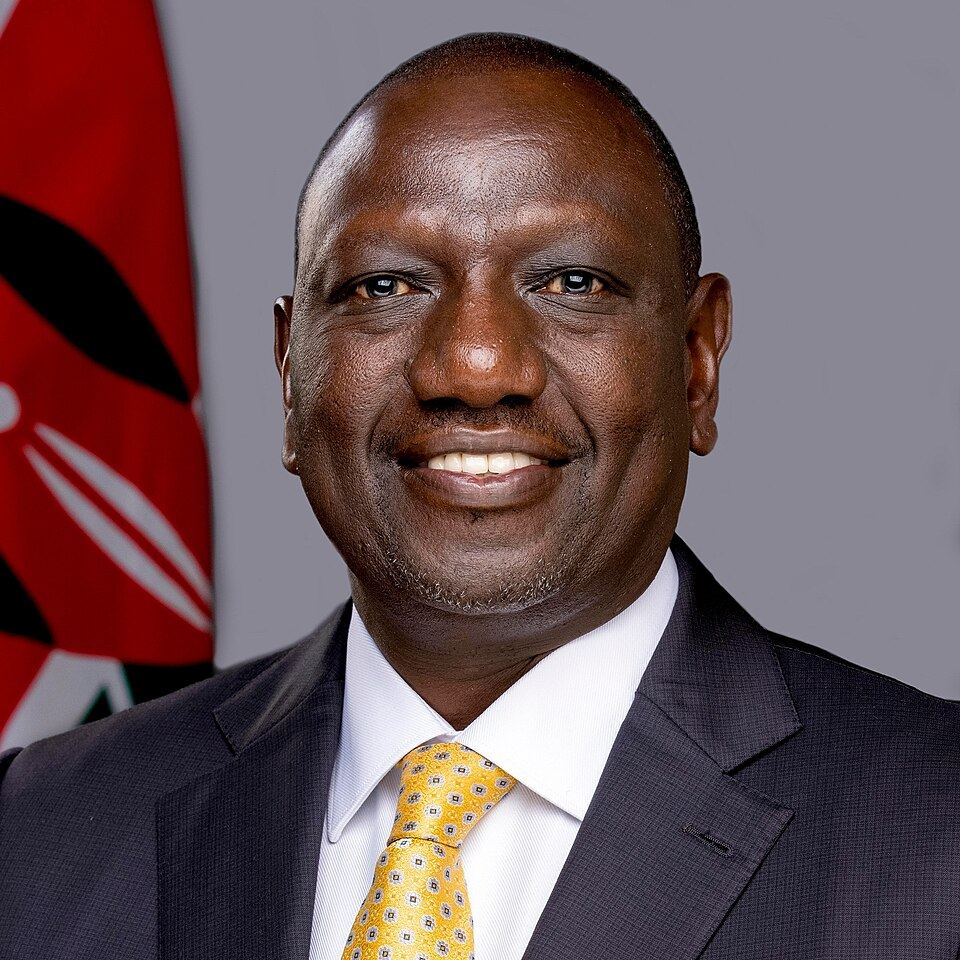
In Nairobi, a sitting president publicly warning against tribal rhetoric is itself evidence the rhetoric is already working somewhere in his own coalition's calculus, not just among fringe agitators. Kenya's 2007 post-election violence set the bar for what ethnic mobilisation can cost the country; Ruto's warning reads less as leadership than as damage control ahead of a contest he can already see forming.
Kenyan President William Ruto has warned political leaders against using tribal rhetoric to divide the country, taking direct aim at politicians he says are stoking ethnic division for advantage. A president using this platform to warn against ethnic politics is also, implicitly, confirming that the rhetoric is already circulating widely enough to warrant a public rebuke.
Kenya's political history carries real scars from ethnically framed mobilisation, most visibly in the violence following the 2007 election, which makes any resurgence of that language a matter of national memory as much as current politics. Ruto's warning positions him against a tactic that has historically benefited incumbents and challengers alike when elections tighten.
Whether the warning changes behaviour among the leaders it's aimed at is the open question. Public condemnations of ethnic rhetoric have not, historically, been enough on their own to stop it.
READ THE SOURCE REPORT FROM ALLAFRICA →Enjoying Strata-AF™?
Sign in or sign up for a personalised feed and unlock Strata-AF™ Originals.