Khamenei's assassination by US-Israeli strikes ends 36 years of ideological continuity at the apex of the Iranian state and opens a succession contest whose outcome will redraw Middle Eastern alignments with direct knock-on effects for African security and trade corridors.
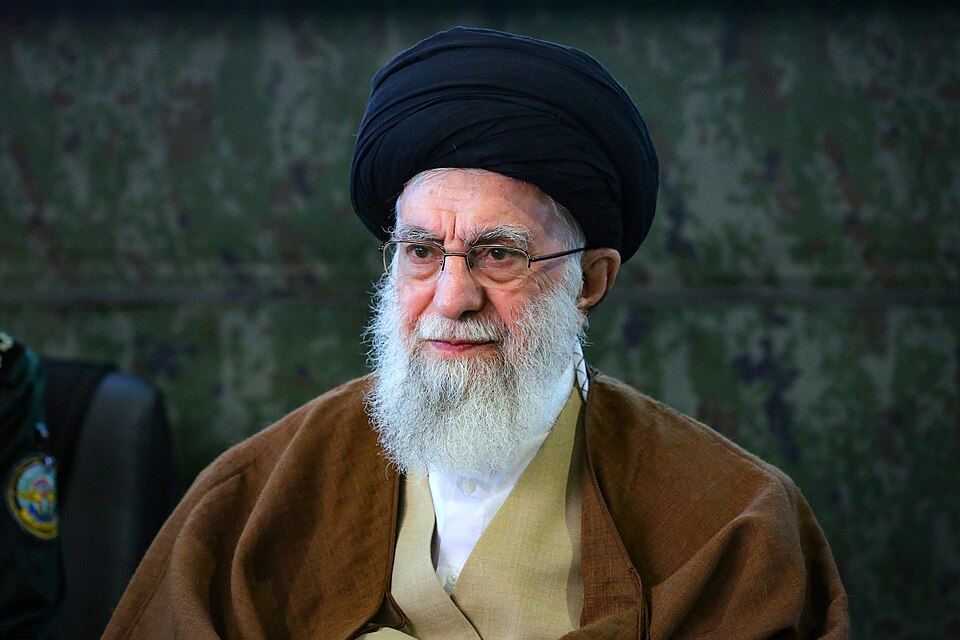
Khamenei's death ending thirty-six years of ideological continuity in Tehran is not just a Middle East succession story, it is a direct risk to the Red Sea shipping lanes and Suez trade corridor that Cairo depends on for a meaningful share of its foreign currency earnings. Whoever wins Iran's succession contest inherits leverage over the Houthis, and Houthi attacks are exactly what already cut Suez Canal revenue by billions. Egypt has more riding on Tehran's succession than most coverage of Iran's domestic politics will admit.
Ali Khamenei, killed in late February in joint US-Israeli strikes, served as Iran's supreme leader from 1989, inheriting the Islamic Republic from its founder and steering it through wars, sanctions, nuclear negotiations, and regional proxy expansion. His death removes the single figure who held together the Revolution's competing institutional factions.
For African states, particularly those along the Red Sea littoral and in the Sahel where Iranian influence flows through arms networks and ideological patronage, the interregnum is a moment of elevated unpredictability. Egypt, Ethiopia, Eritrea, and Djibouti all have strategic exposure to whatever emerges from Tehran's succession contest.
Analysts should track the Assembly of Experts' deliberations and the early signalling from the Islamic Revolutionary Guard Corps, whose preferences will effectively determine whether Iran pivots toward tactical de-escalation or doubles down on regional assertiveness, a choice with direct implications for Horn of Africa security architecture.
READ THE SOURCE REPORT FROM EGYPT INDEPENDENT →Enjoying Strata-AF™?
Sign in or sign up for a personalised feed and unlock Strata-AF™ Originals.